Animals and Permaculture
Mango fundraiser 🥭

Celebrate summer with a tray of delicious mangoes while supporting one of the most unique parts of life at TC.
Our annual Mango Fundraiser raises funds for the Animals Program, helping us continue to provide students with hands-on opportunities to care for and learn from our animals.
The Animals Program is a special part of our school, and your support helps us keep it thriving.
Orders close: 23 October
Mangoes delivered: Early December
Stock up for summer, share them with family and friends, and support our Animals Program at the same time. 🥭
Farm Camp
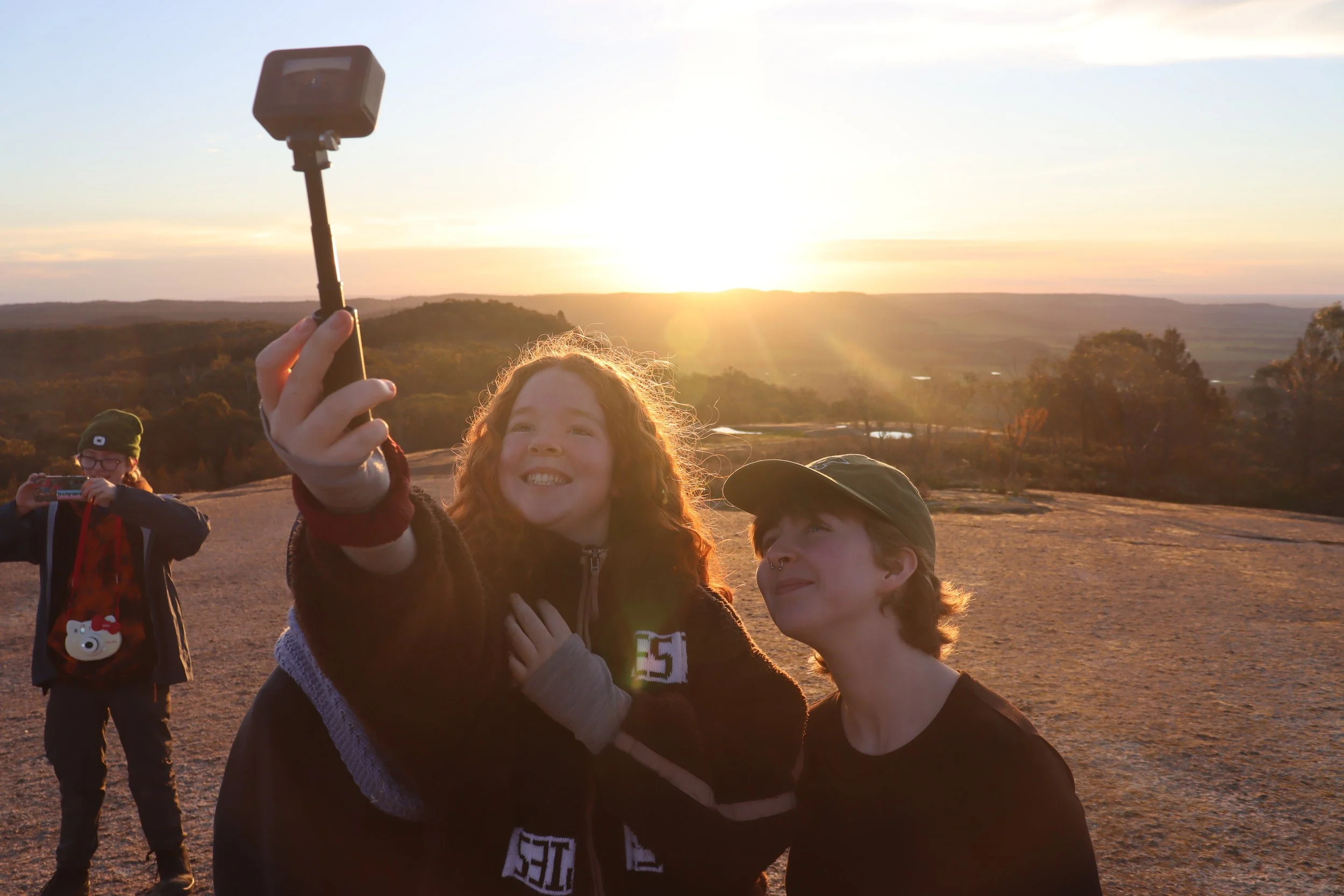
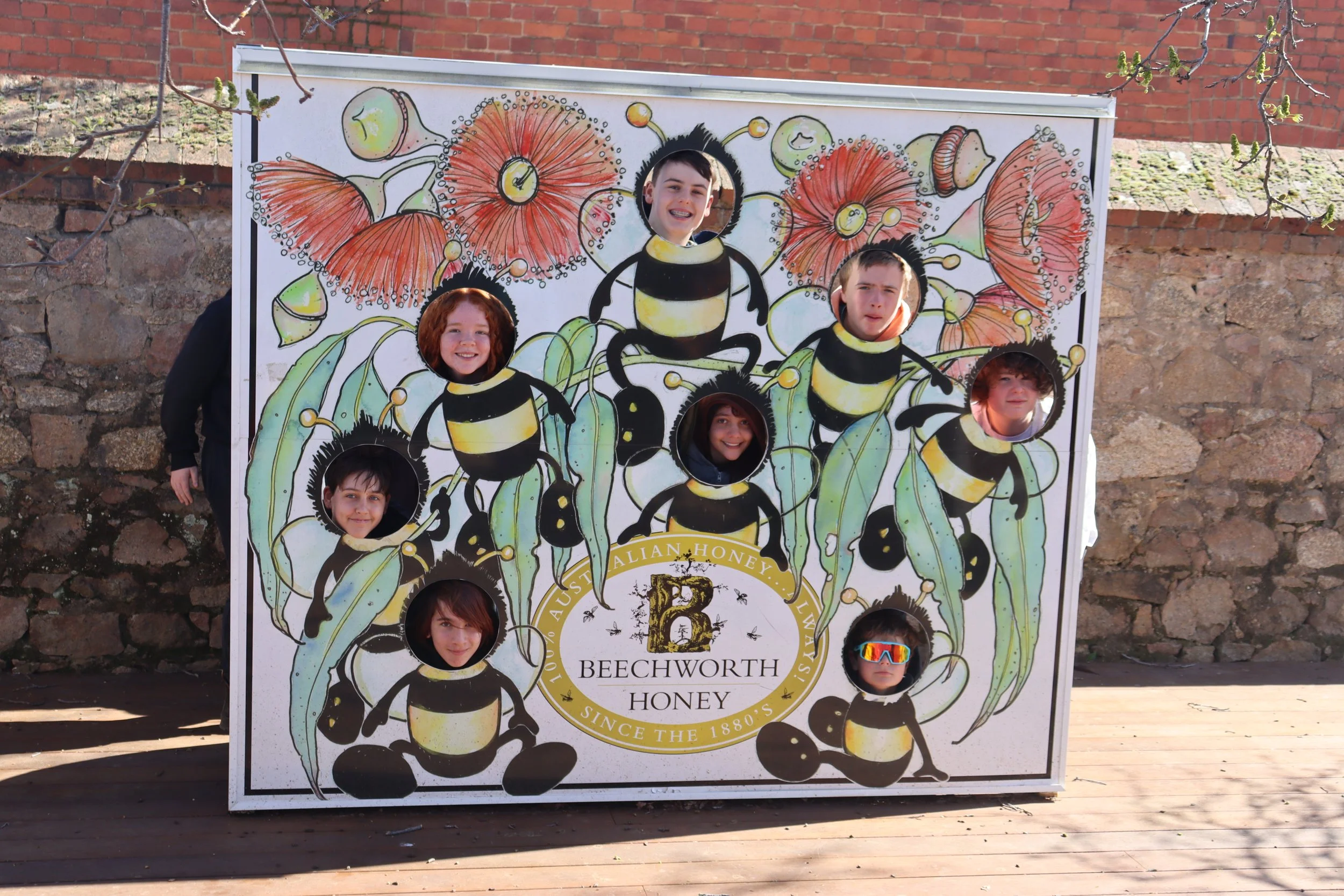
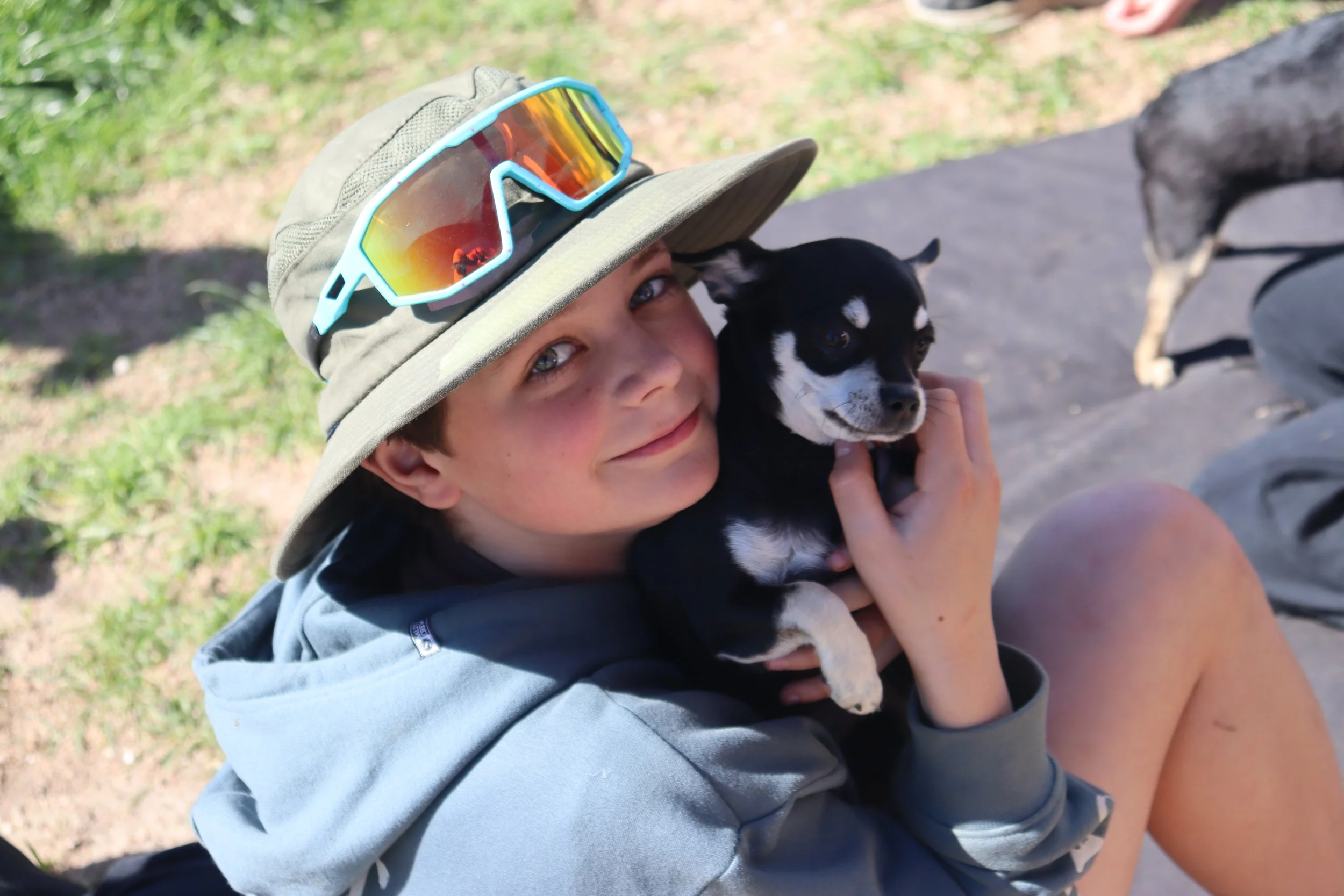
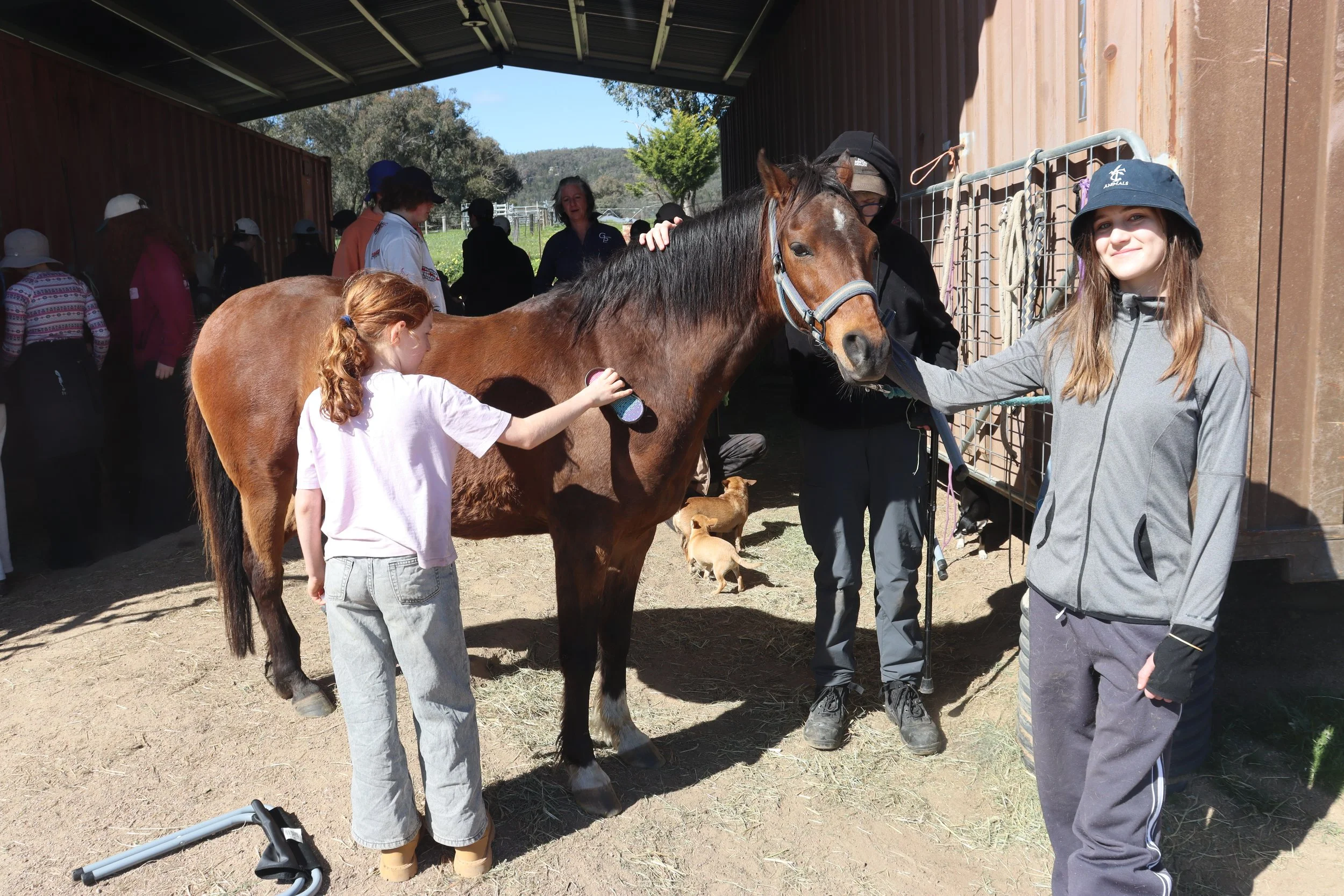
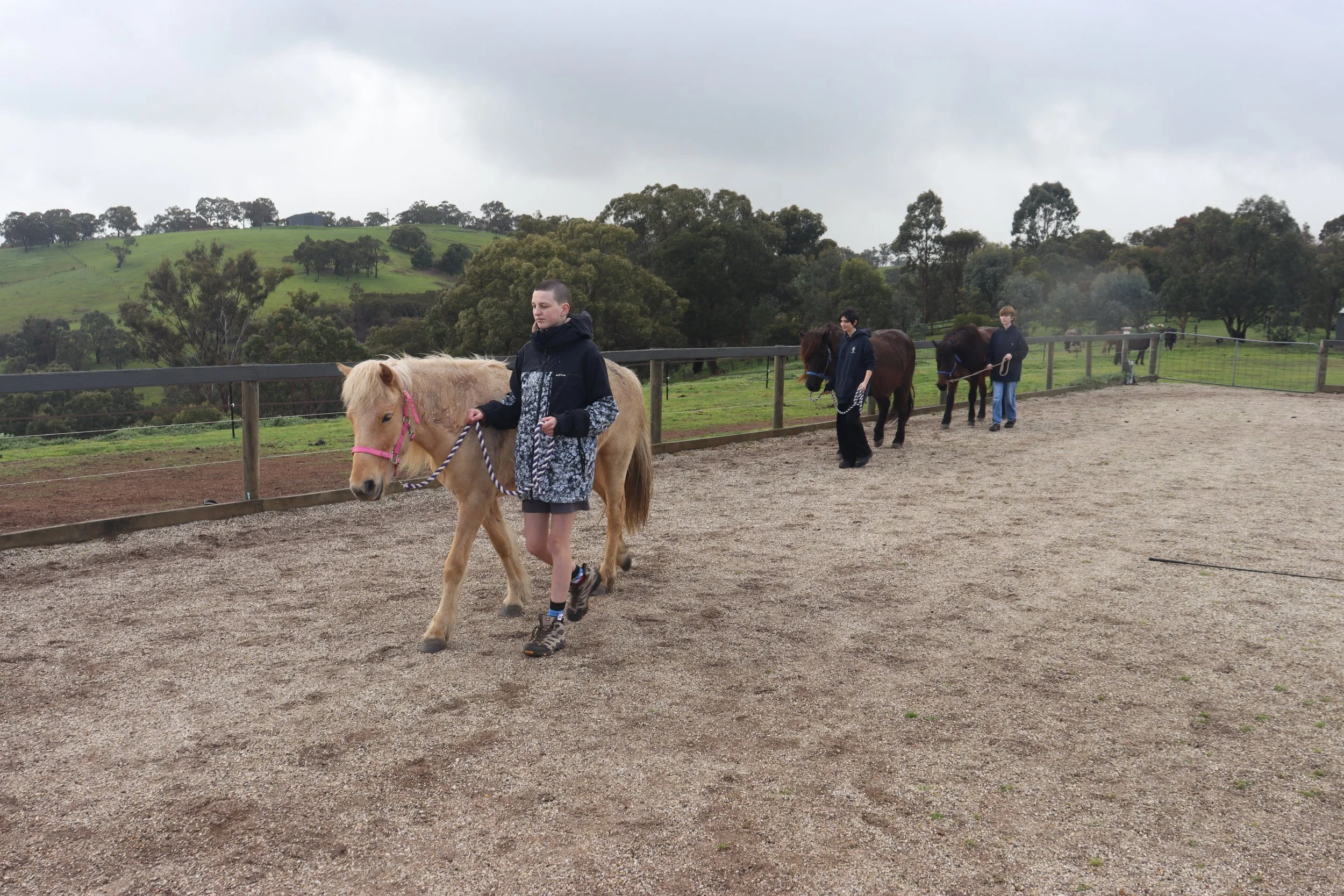
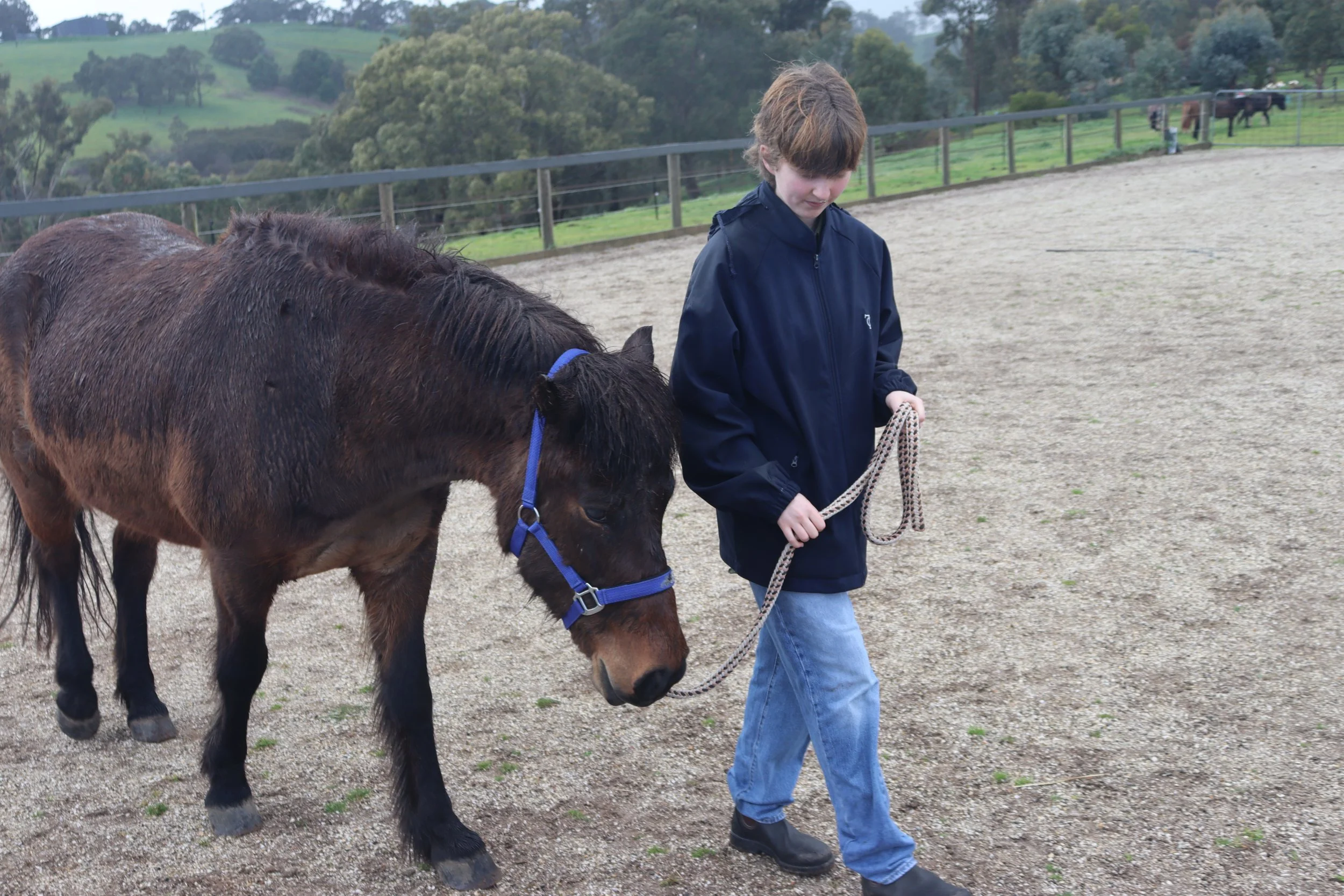
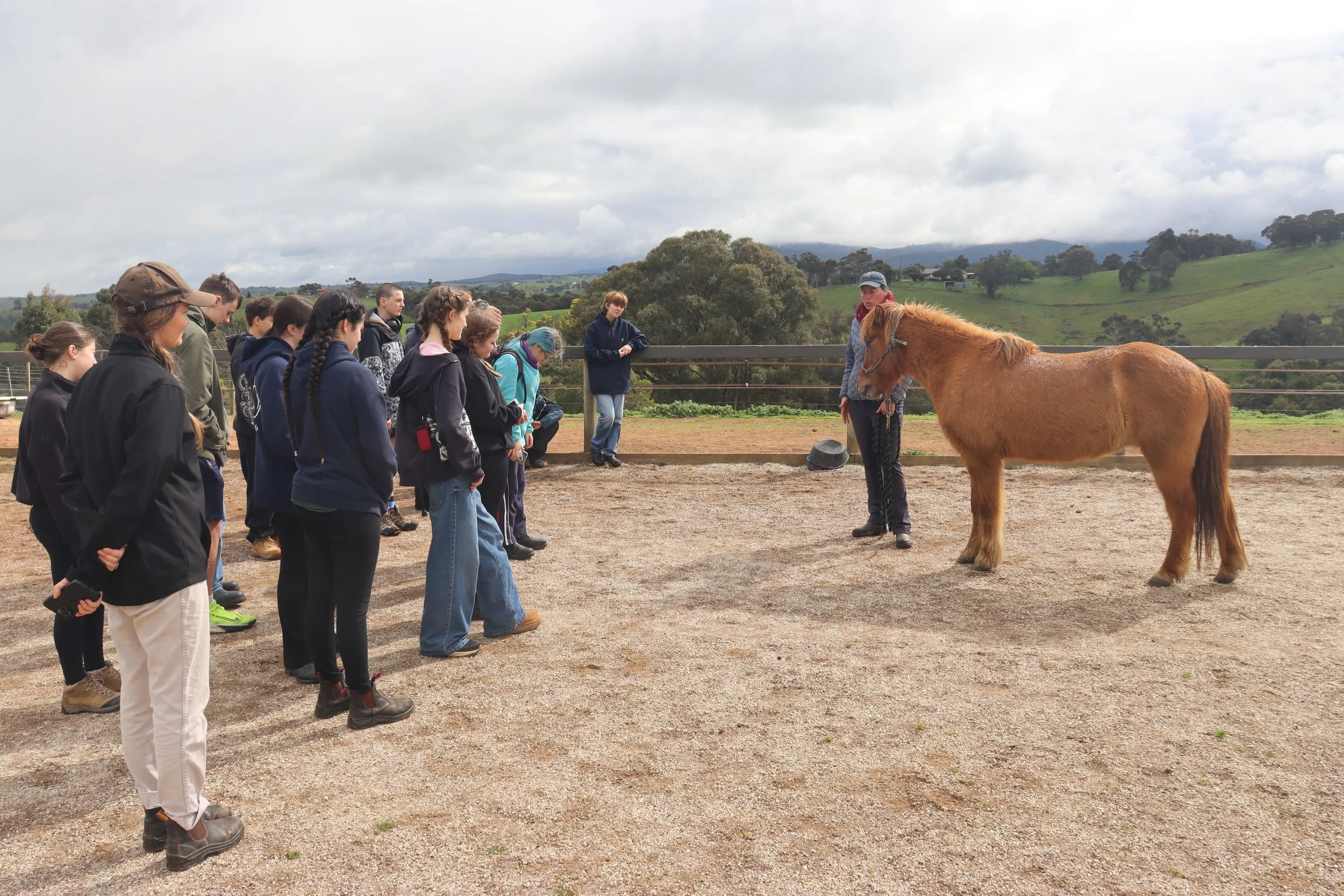
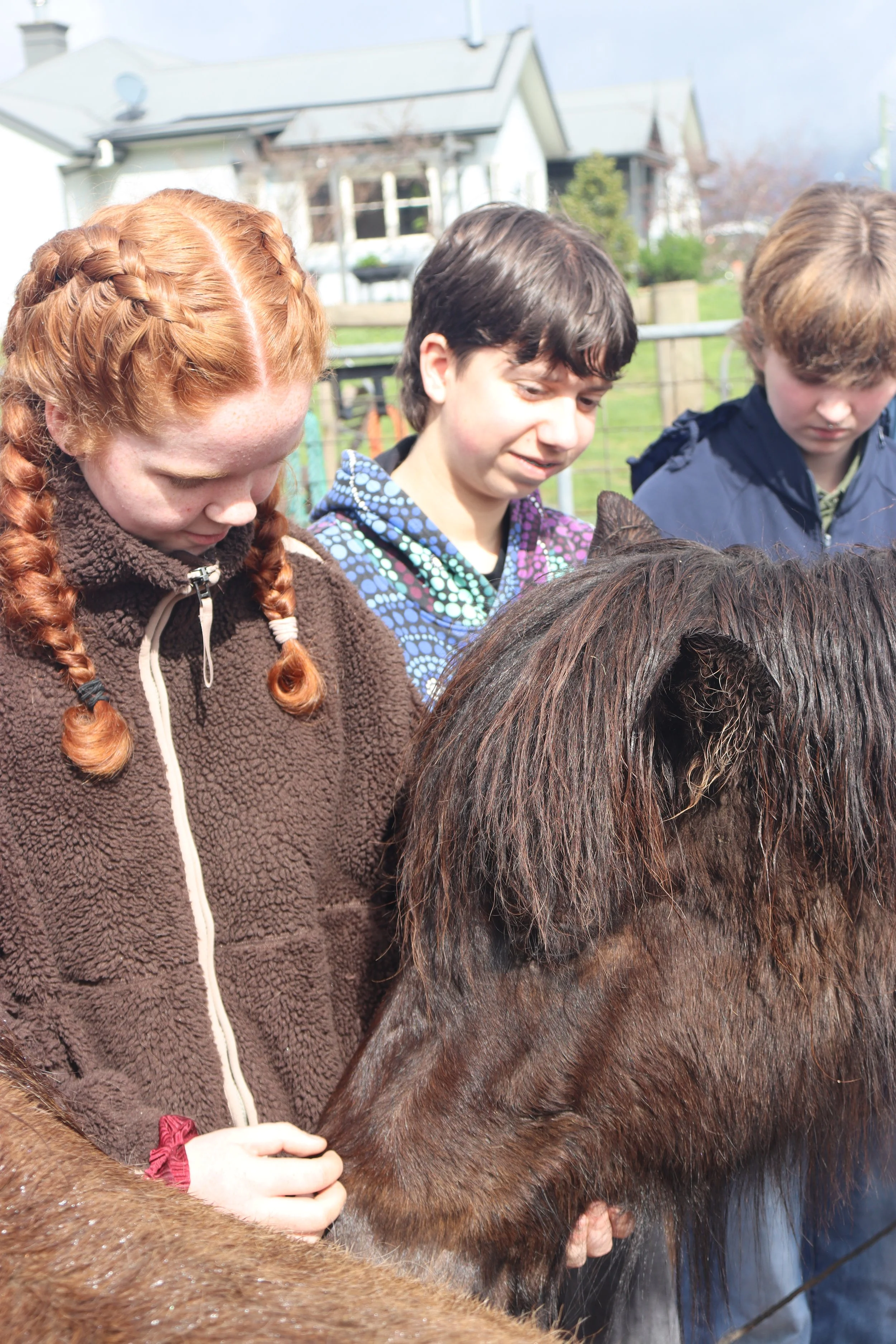
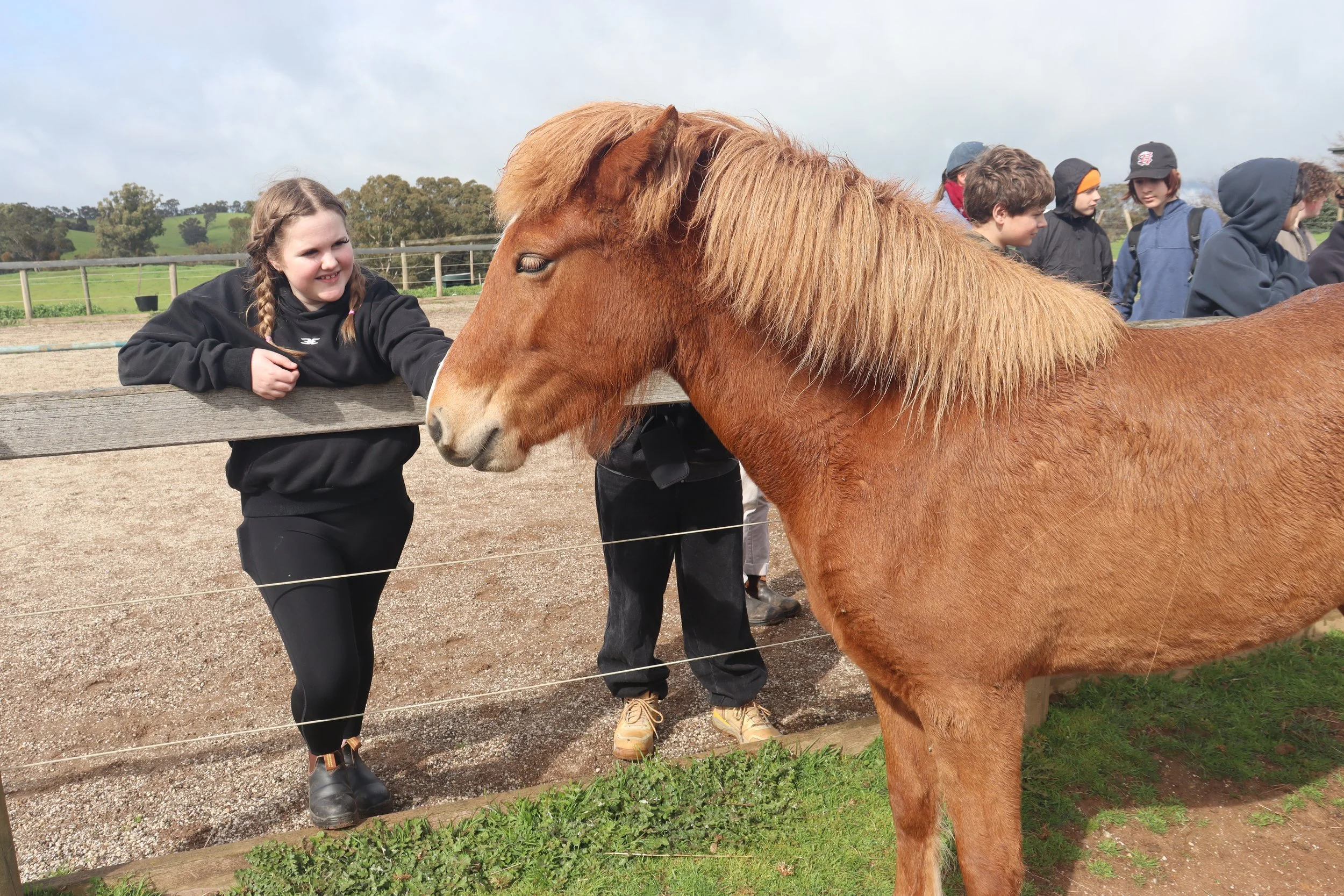
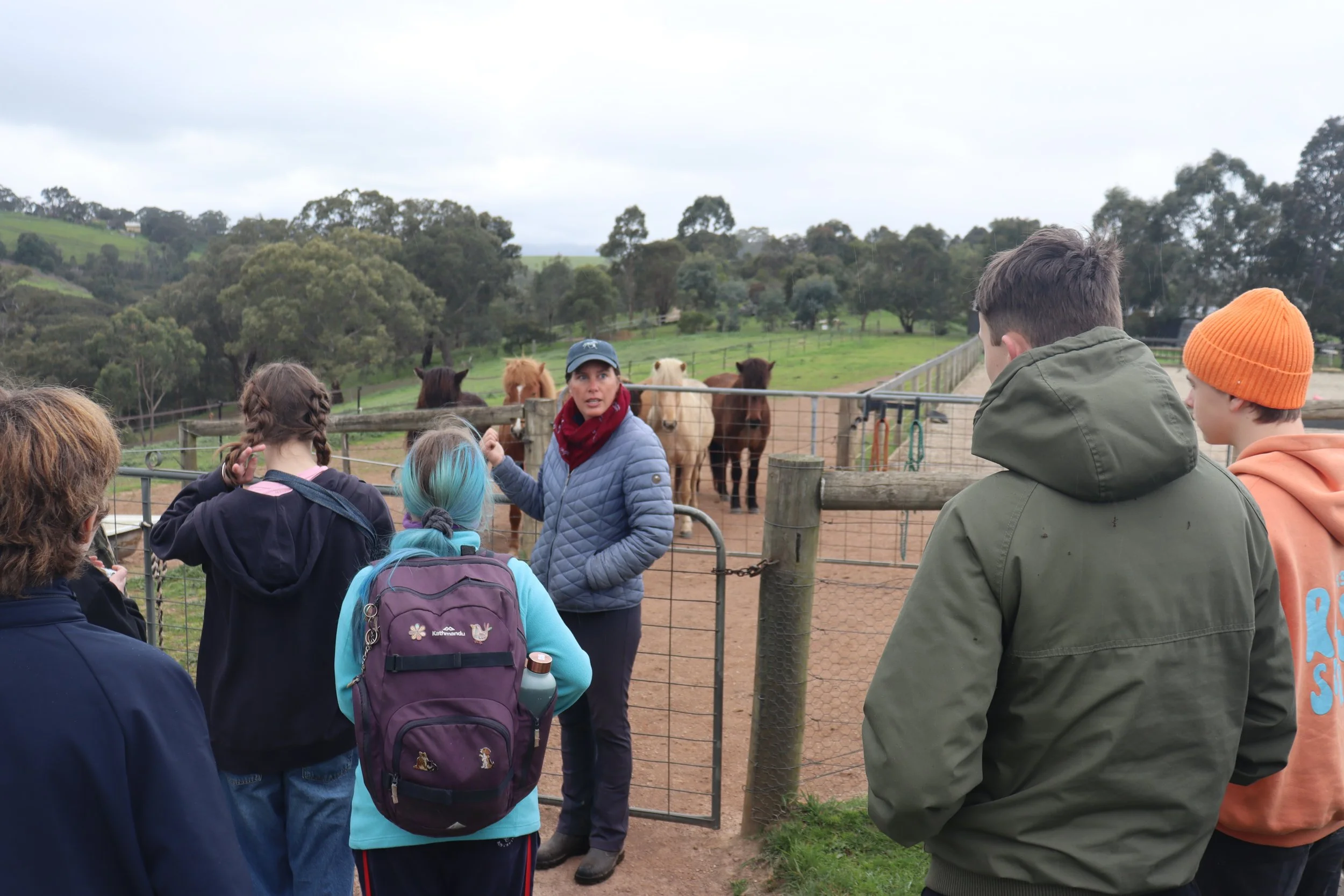
I was fortunate enough to be able to attend Farm Camp in Week 9, and it was a really valuable experience.
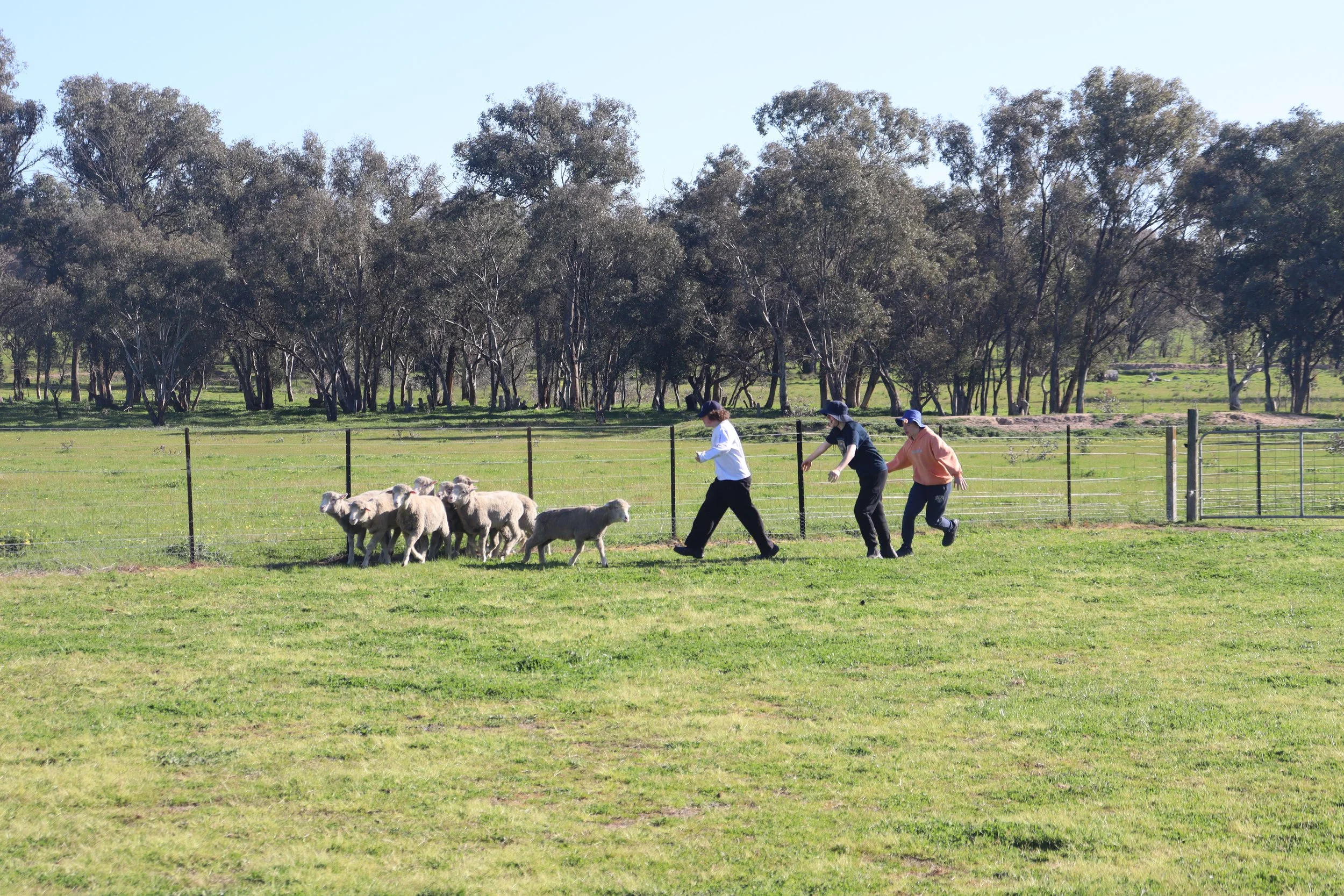
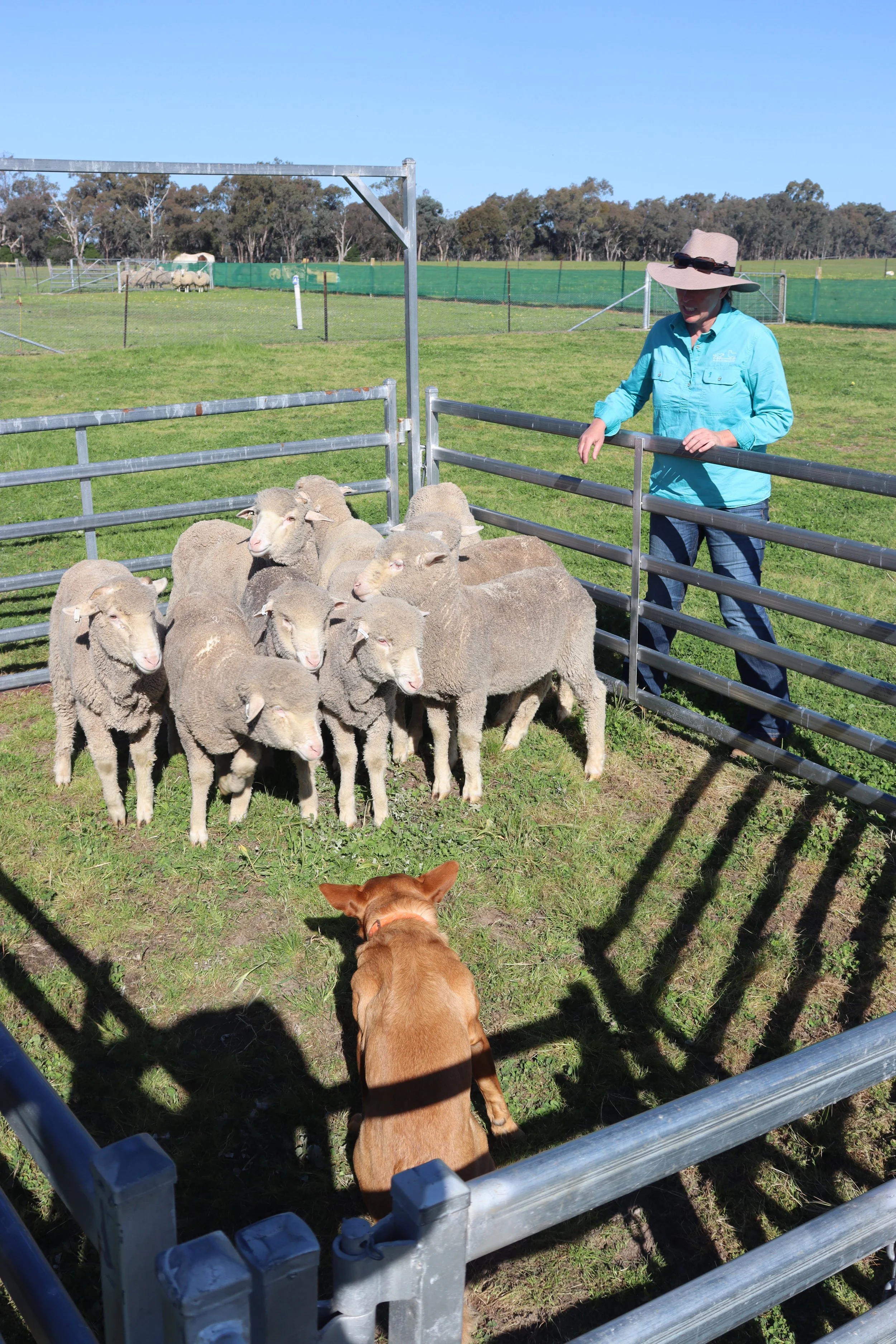
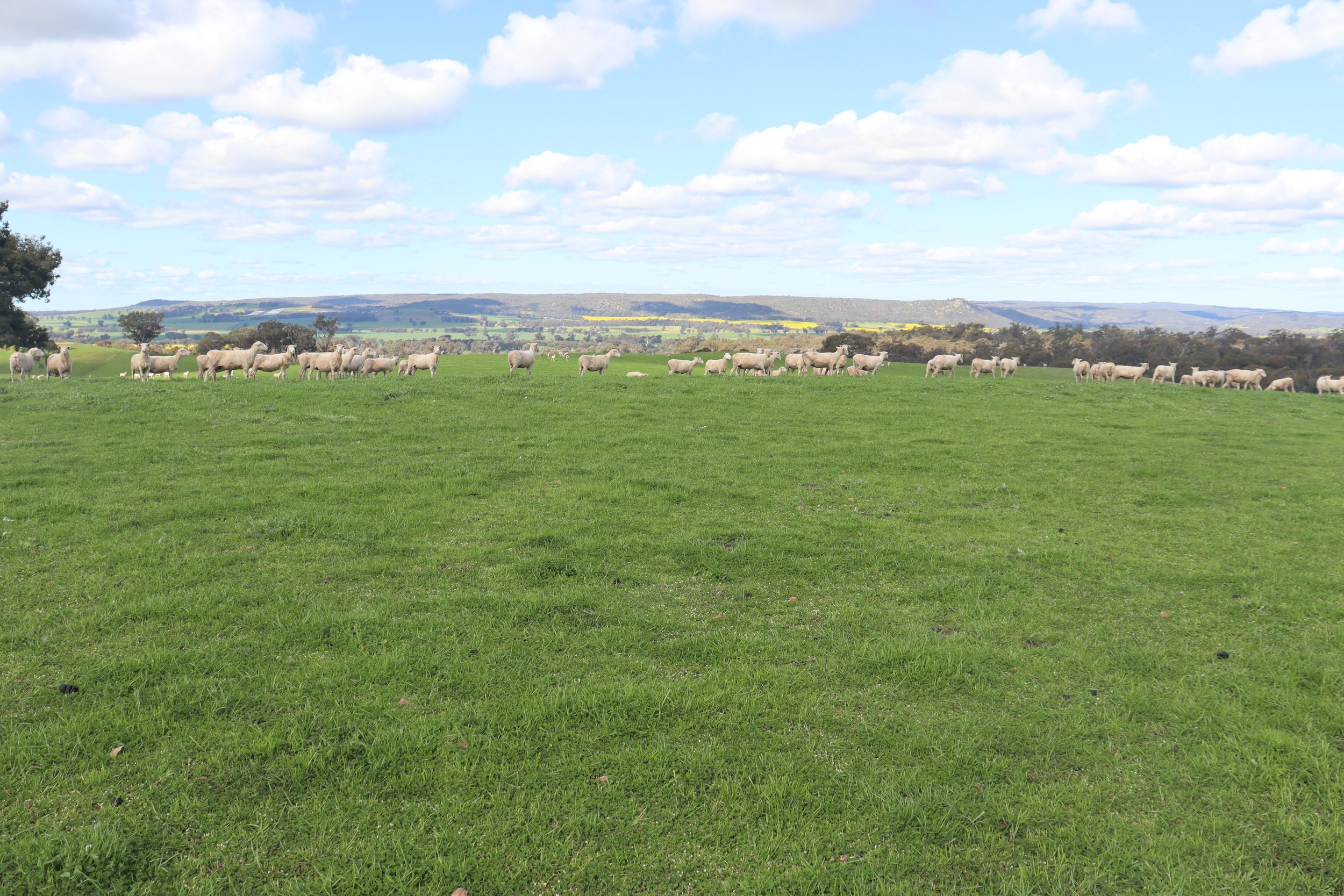
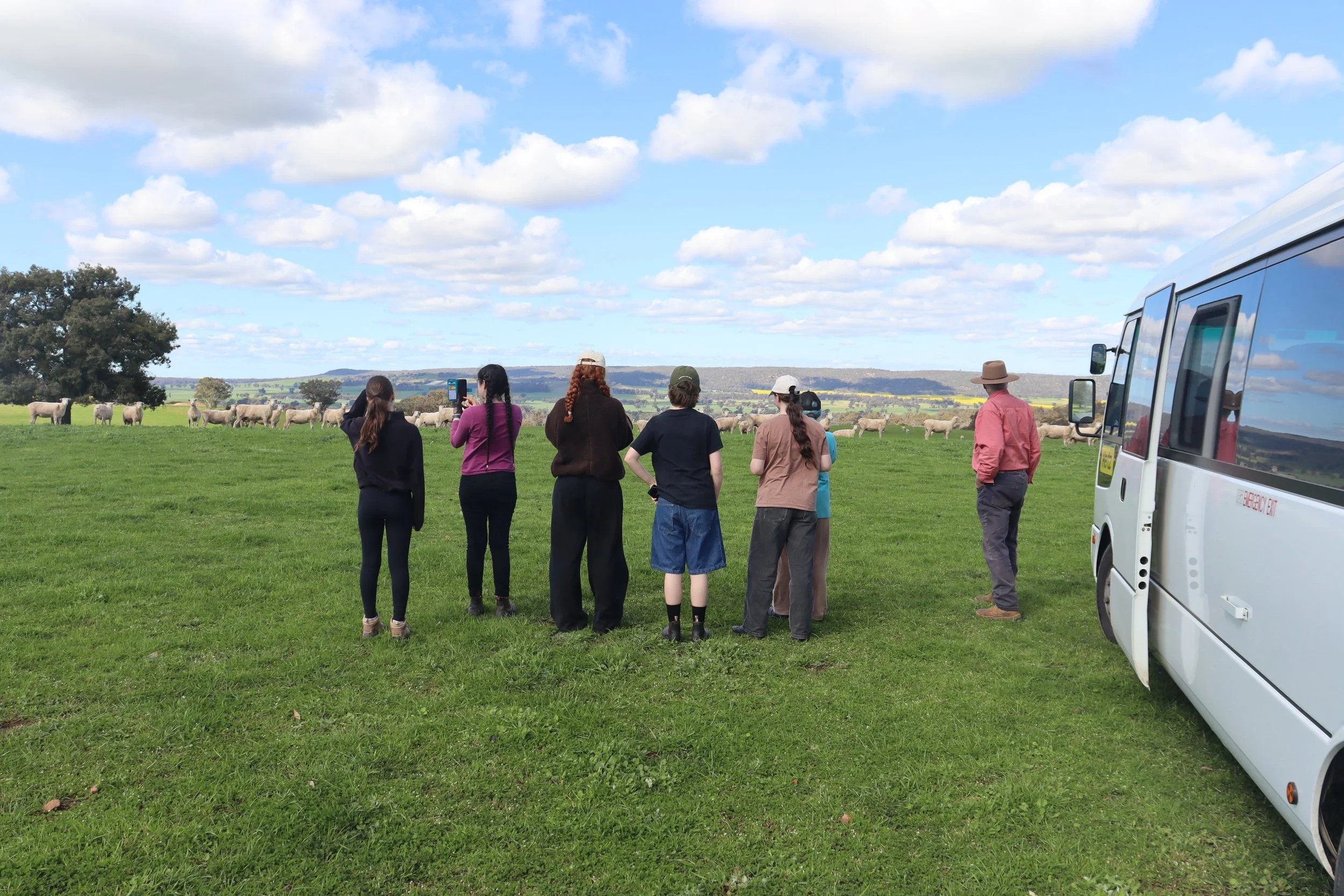
We went to lots of farms and got to learn all about how the farmers operated them, for example: on the second day we went to two different sheep farms - one large and one small, and got to compare the two to see the similarities and differences. Despite the many differences between these farms, the main thing that stuck out was how passionate the farmers were and how excited they were to share their knowledge with us.
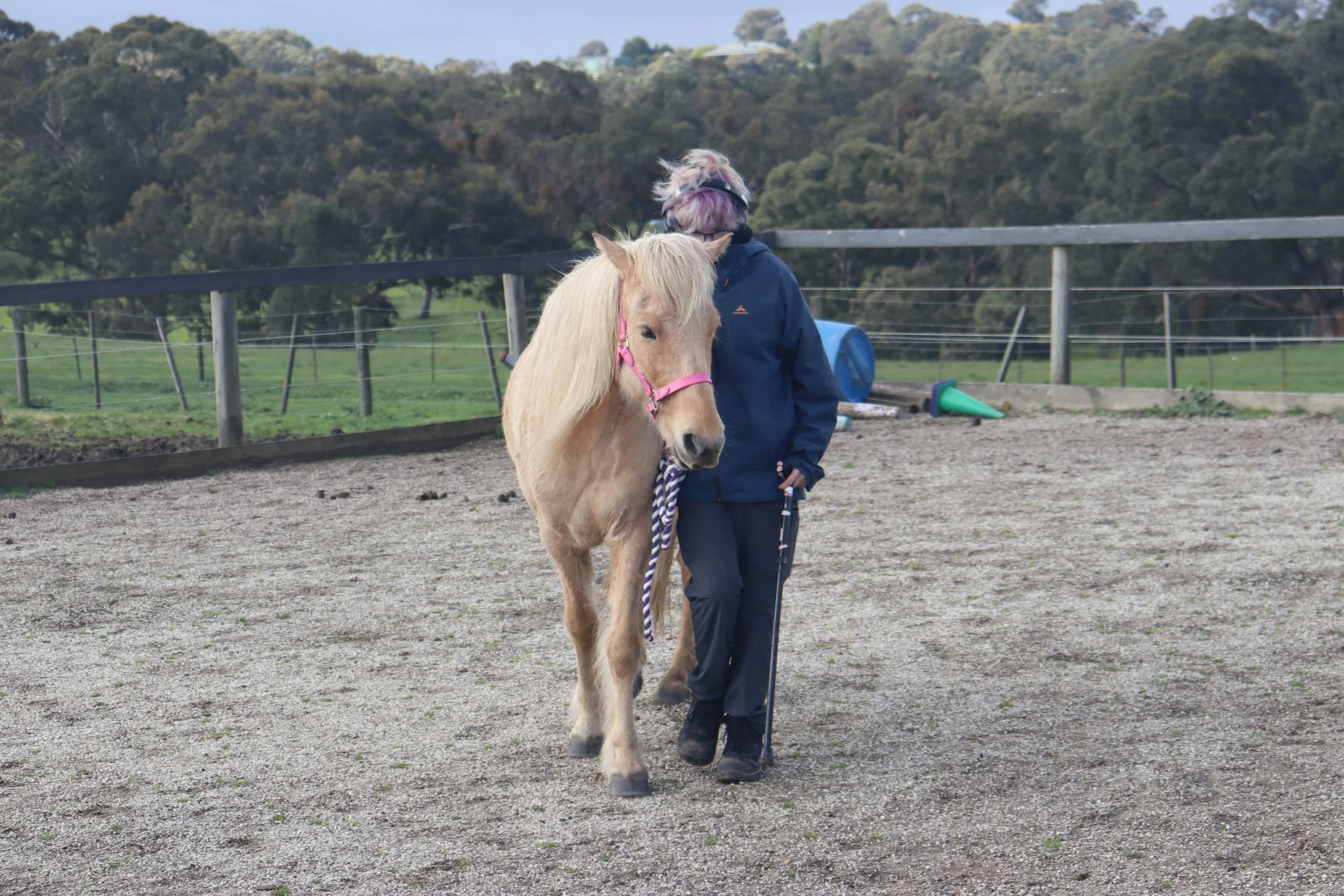
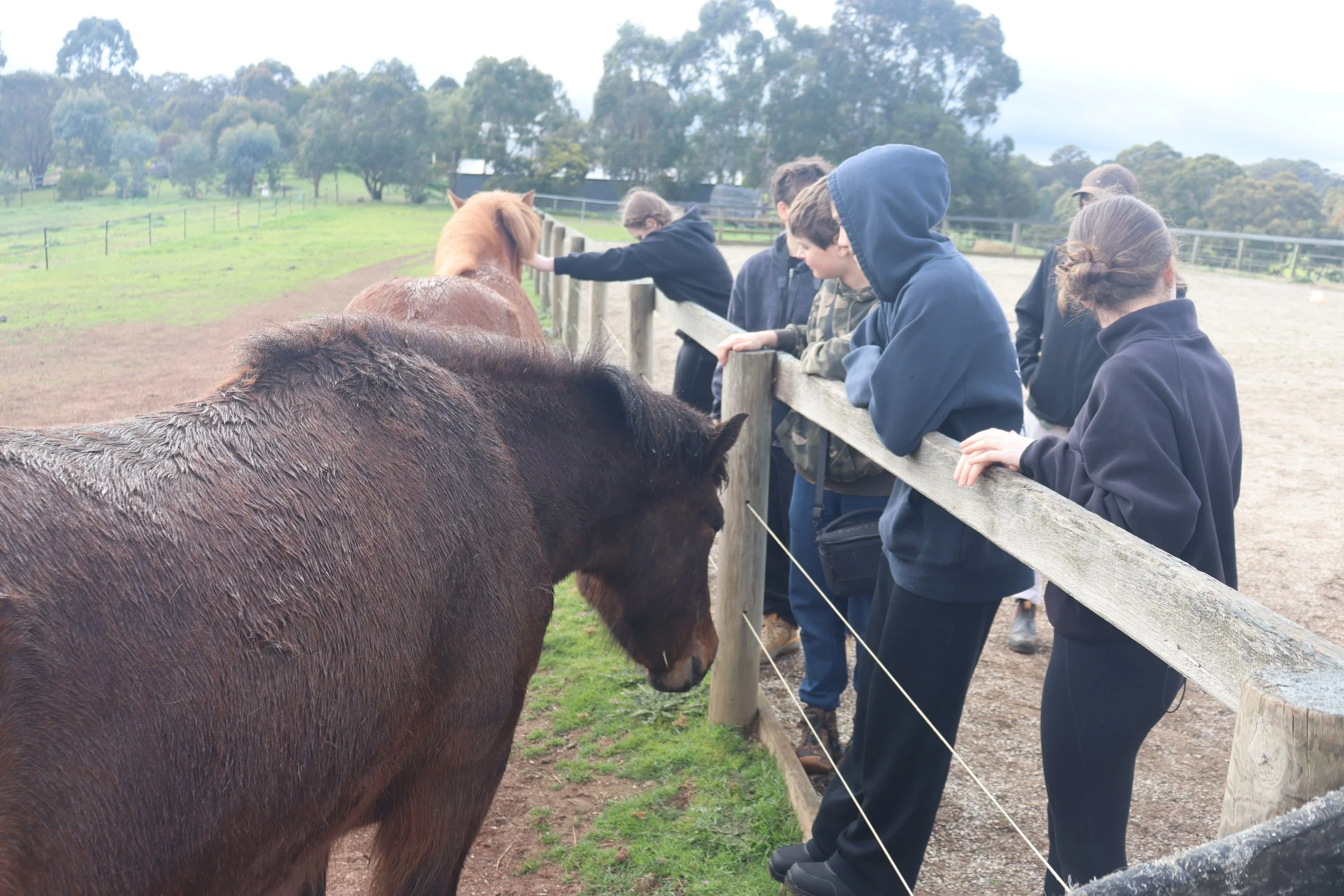
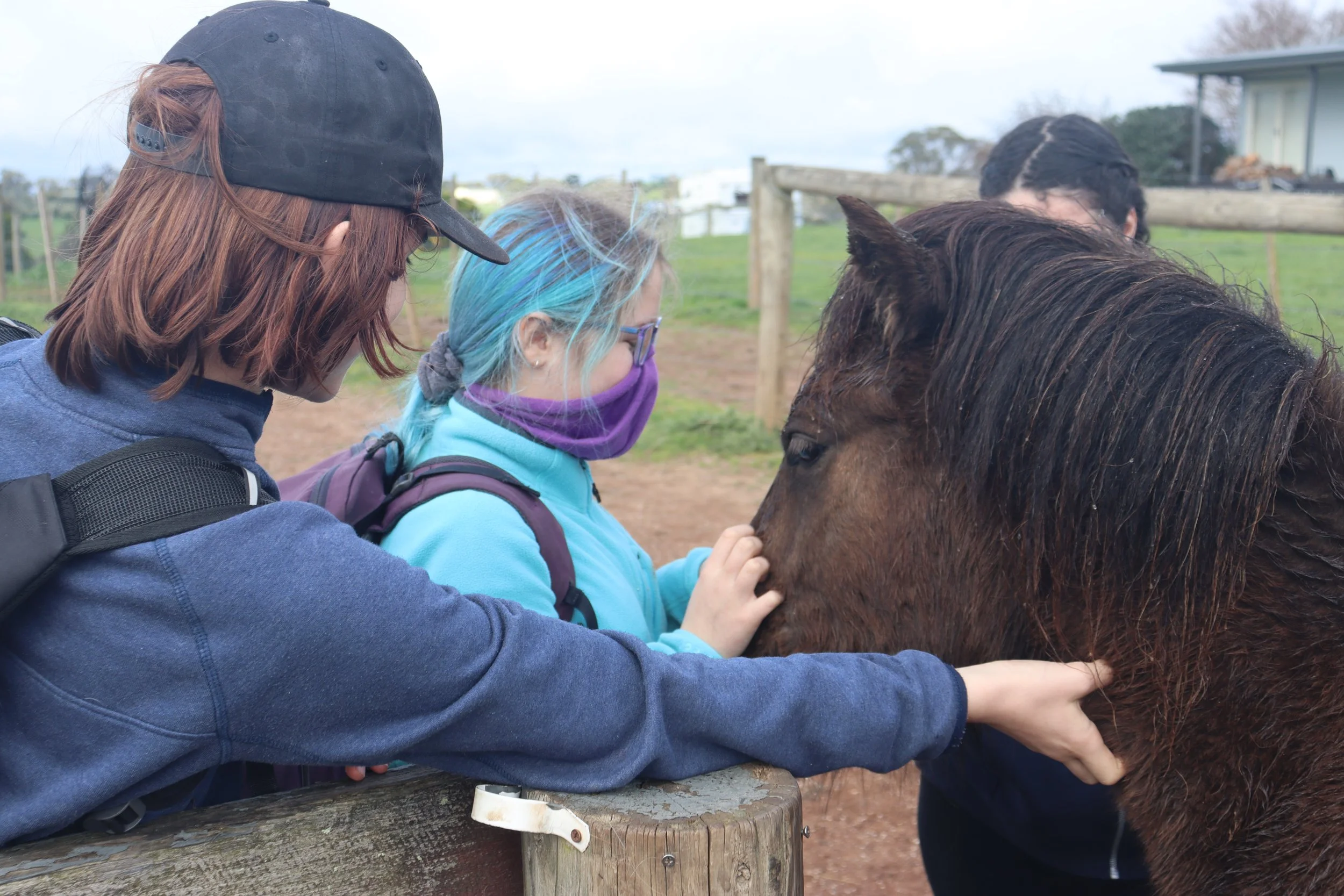
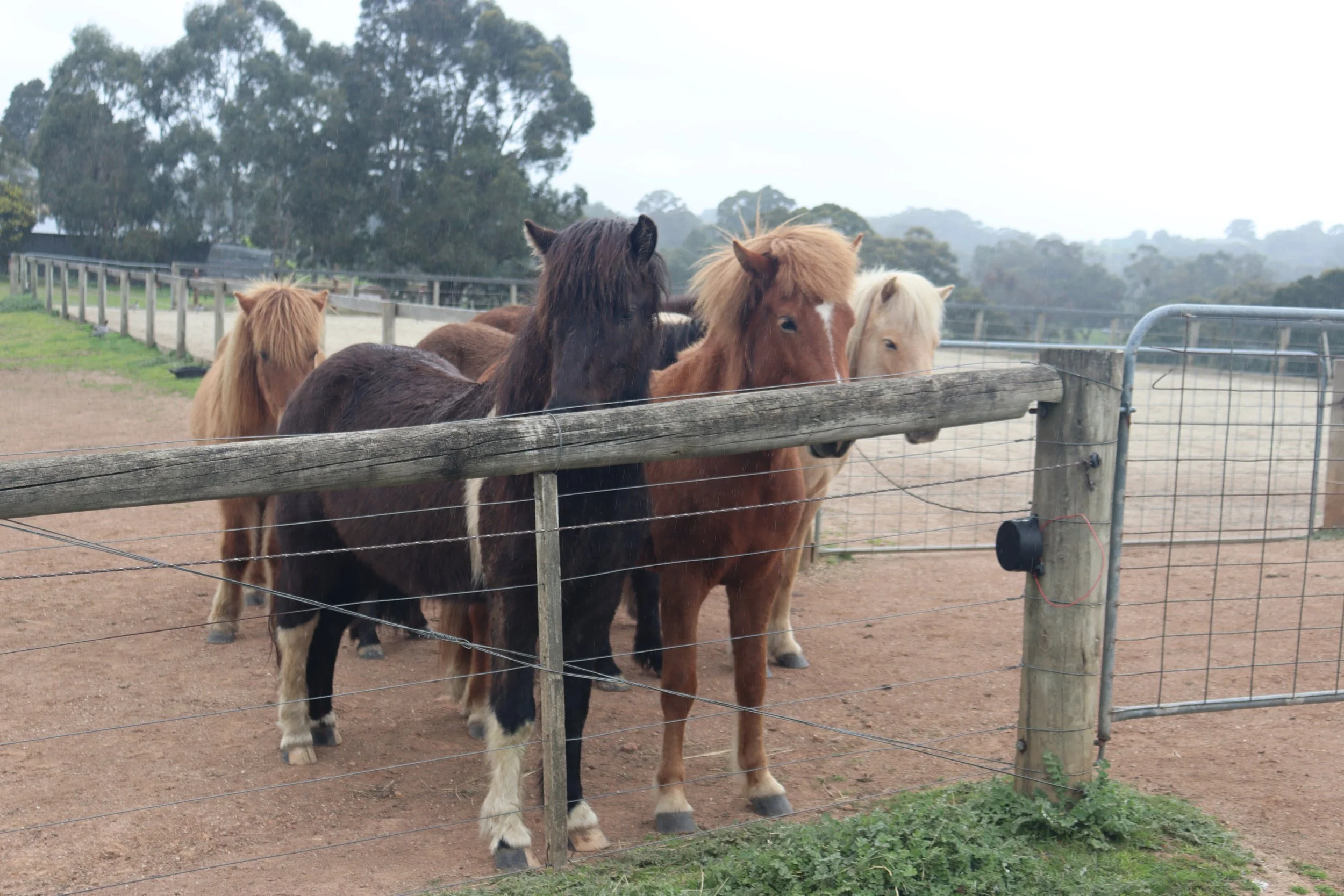
My other highlights were going to an Icelandic horse farm, watching the sunrise and sunset, and going to a working dog farm were we got to herd sheep. Overall it was an amazing experience, and I would highly recommend it.
River, FLE2
Term 3 Permaculture
The Templestowe College Permaculture Farm and Garden program has been an absolute delight to be part of this semester.
We’re seeing dozens of committed, engaged students coming early to class, keen to chat with Petra, Meg and myself about their own gardens at home or whatever passion project they’re currently pouring their energy into.
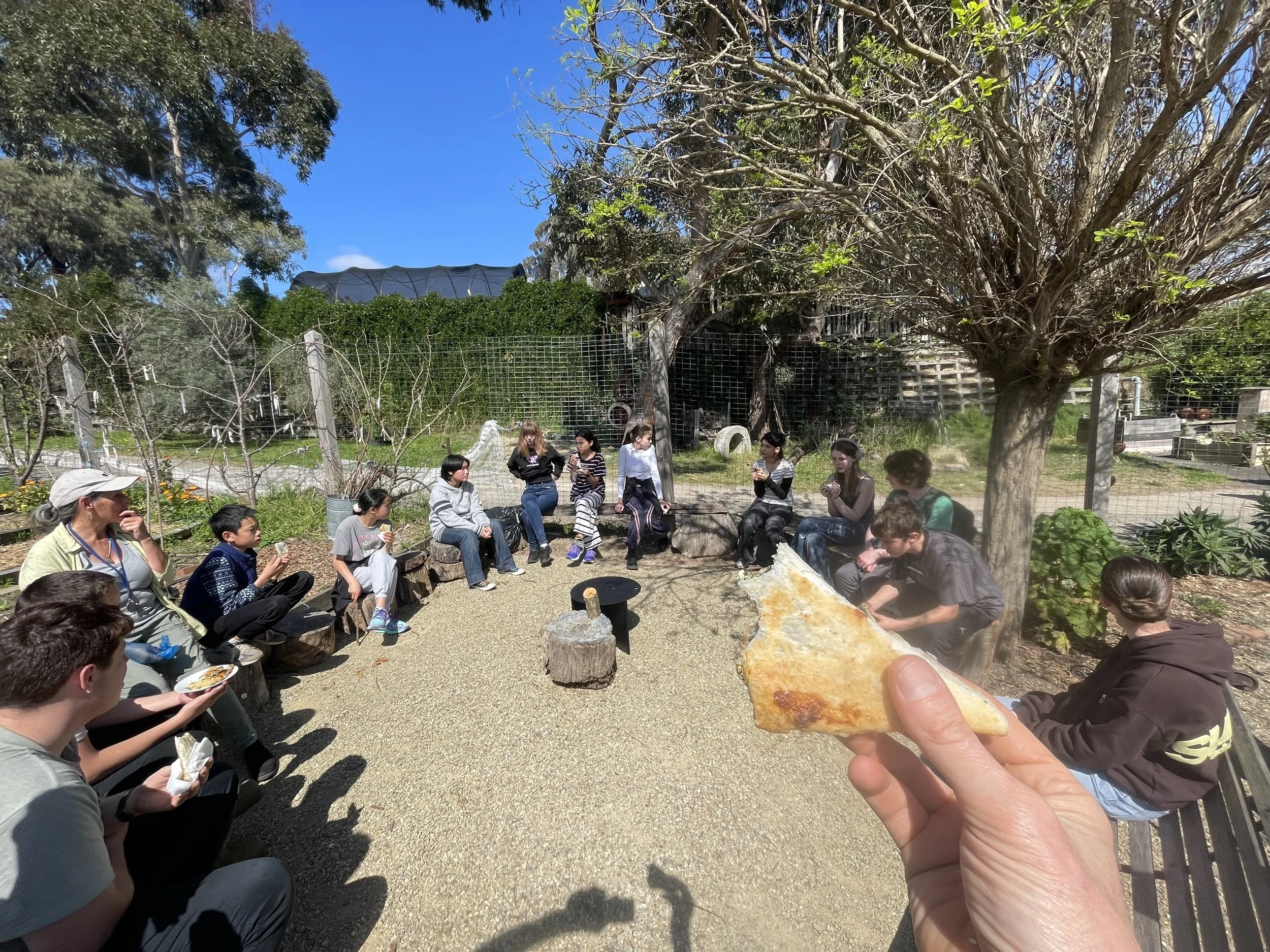
This semester has centered on two units: “Obtain a Yield” and “Food and Fibre”
“Obtain a Yield” is one of the most valuable and rewarding parts of the program. Students form small groups (or fly solo) and choose a plot in the Permaculture garden that becomes their own for the semester. They collaborate, design, research and plan out their planting, then raise their seedlings using seeds saved by previous classes. It’s one of our favourite parts of the whole program — a genuinely circular process where one generation of “Permablitzers” passes their legacy on to the next. That’s what permaculture is all about: sustaining our beautiful planet for more people, and more life, to enjoy.
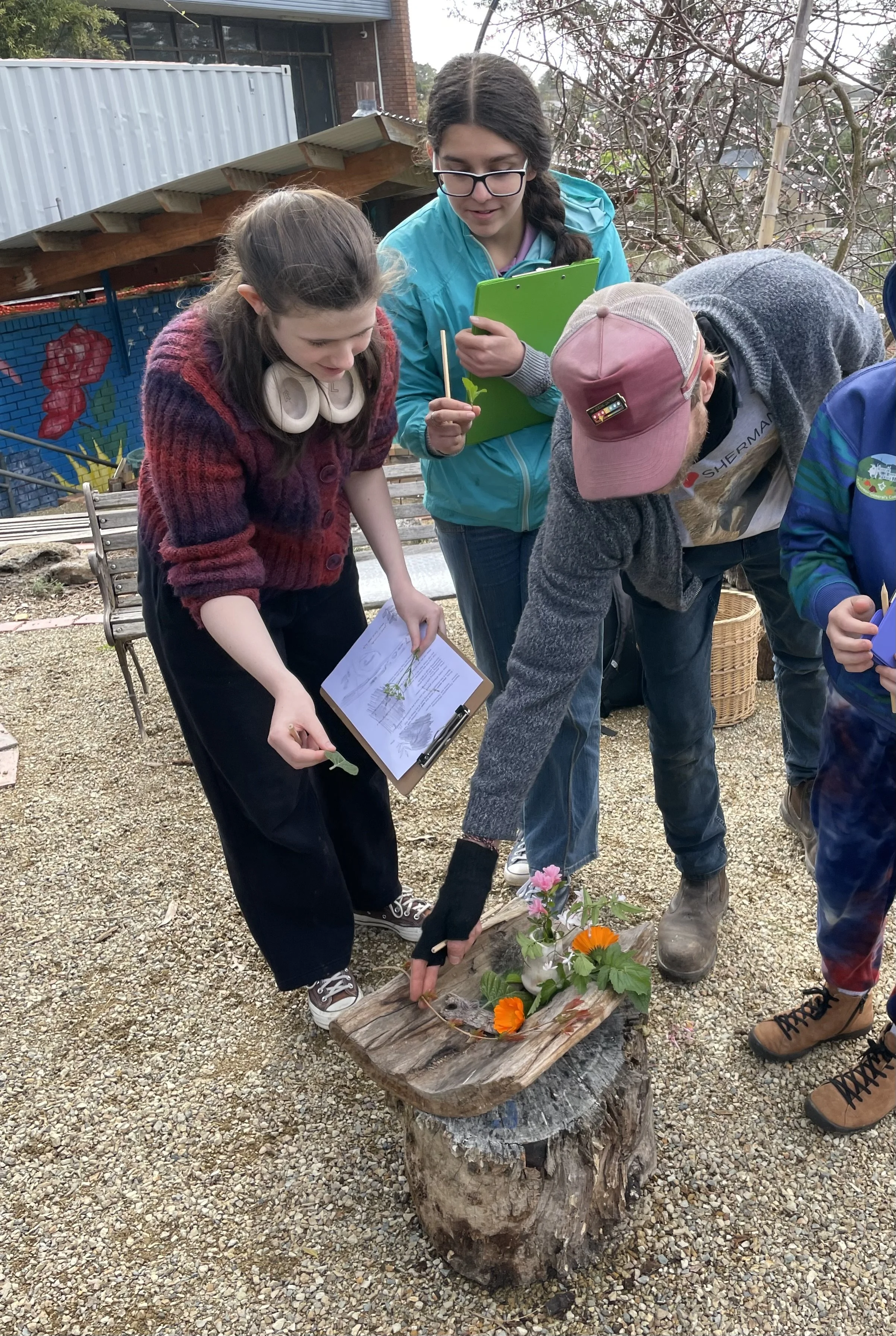
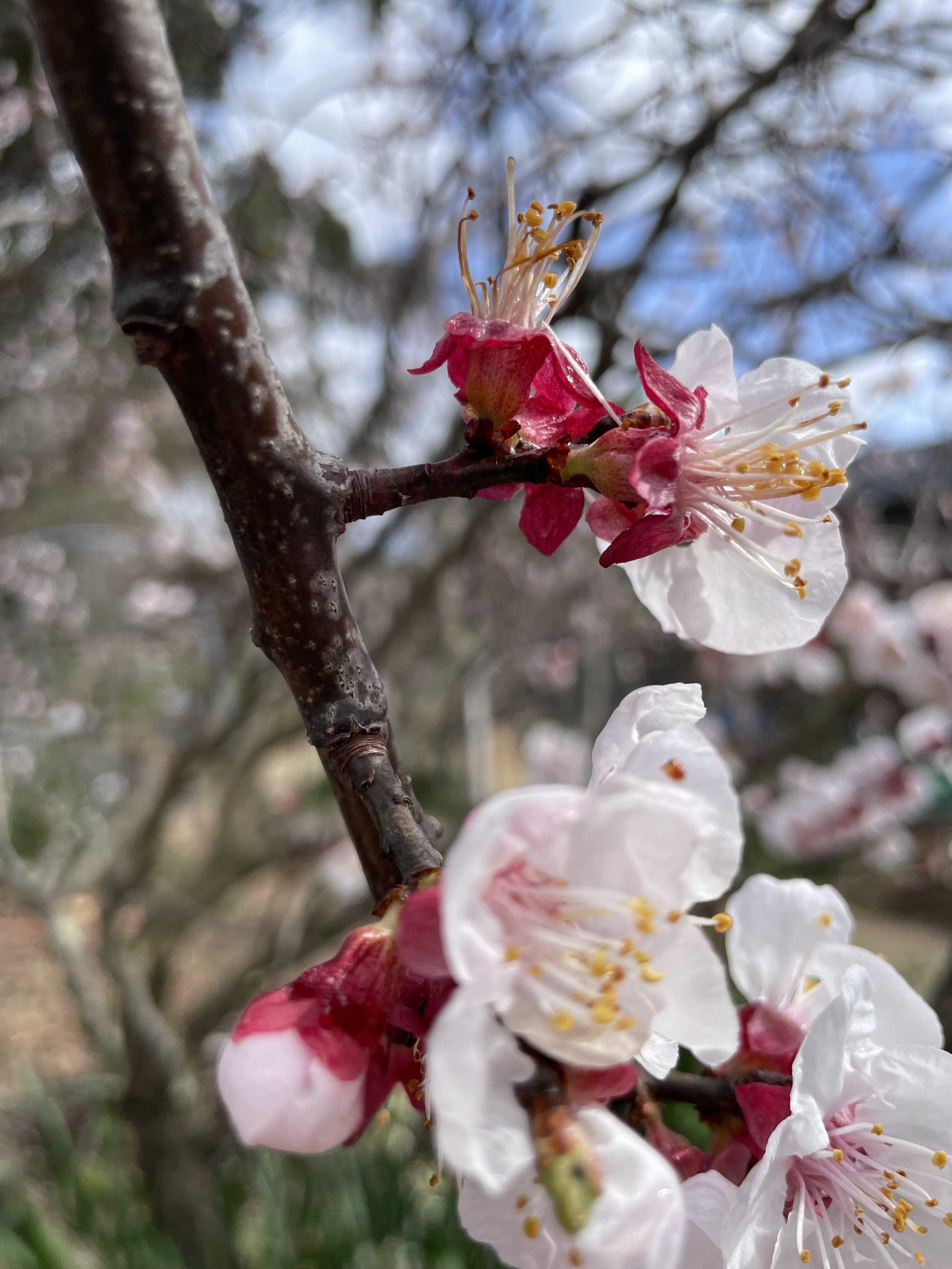
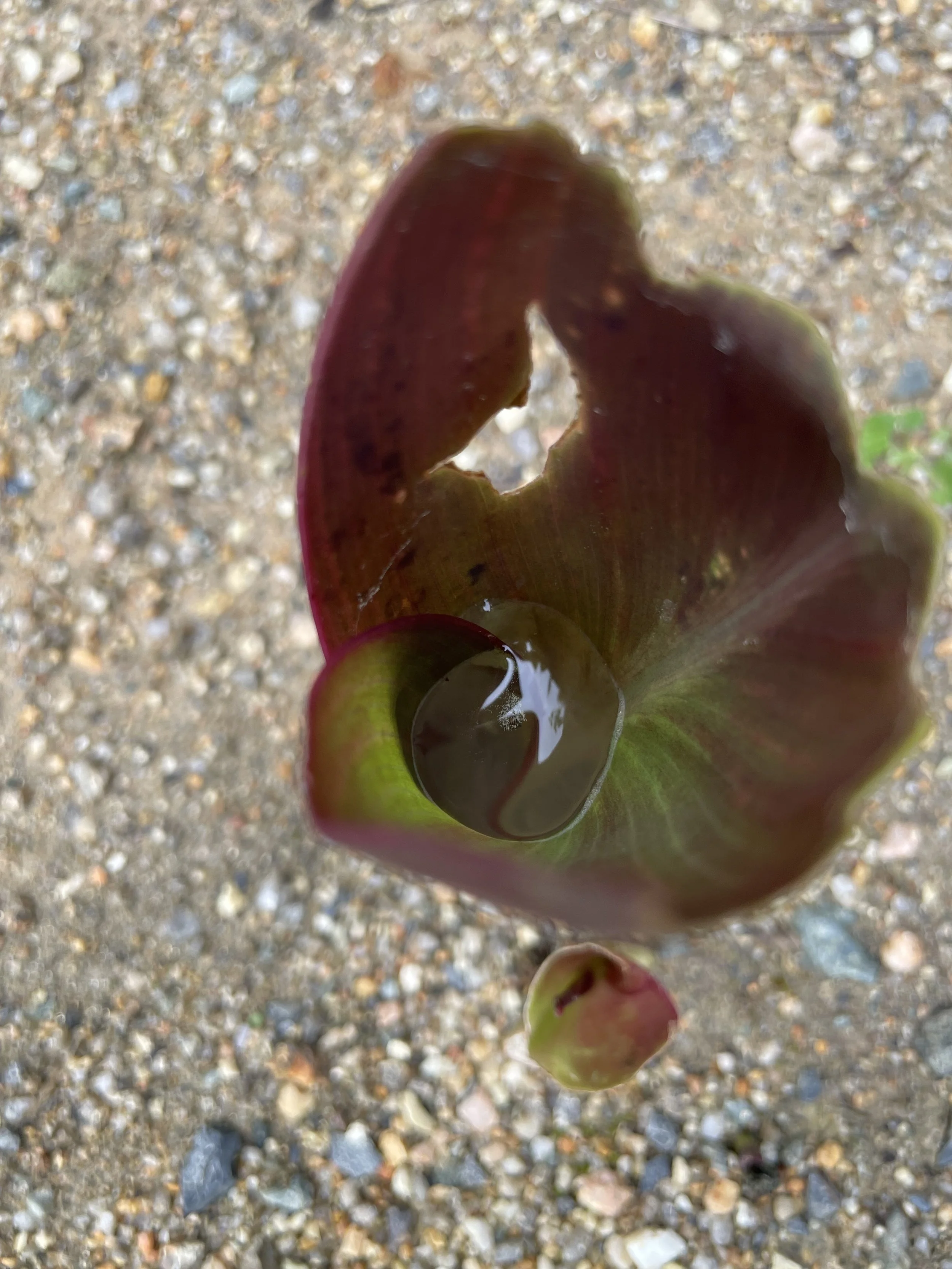
Students tend their seedlings in the greenhouse over the cooler months, keeping them warm and watered, before transplanting them out into their plots as spring arrives — carefully following companion planting charts so everything grows well together. From there, it’s ongoing maintenance: weeding, watering and feeding, all building towards a yield at semester’s end, when we come together for a big harvest feast.
“Food and Fibre” invites students to take on a personal permaculture passion project — something they want to get better at, get more deeply engaged with, and that helps themselves, their family or our community.
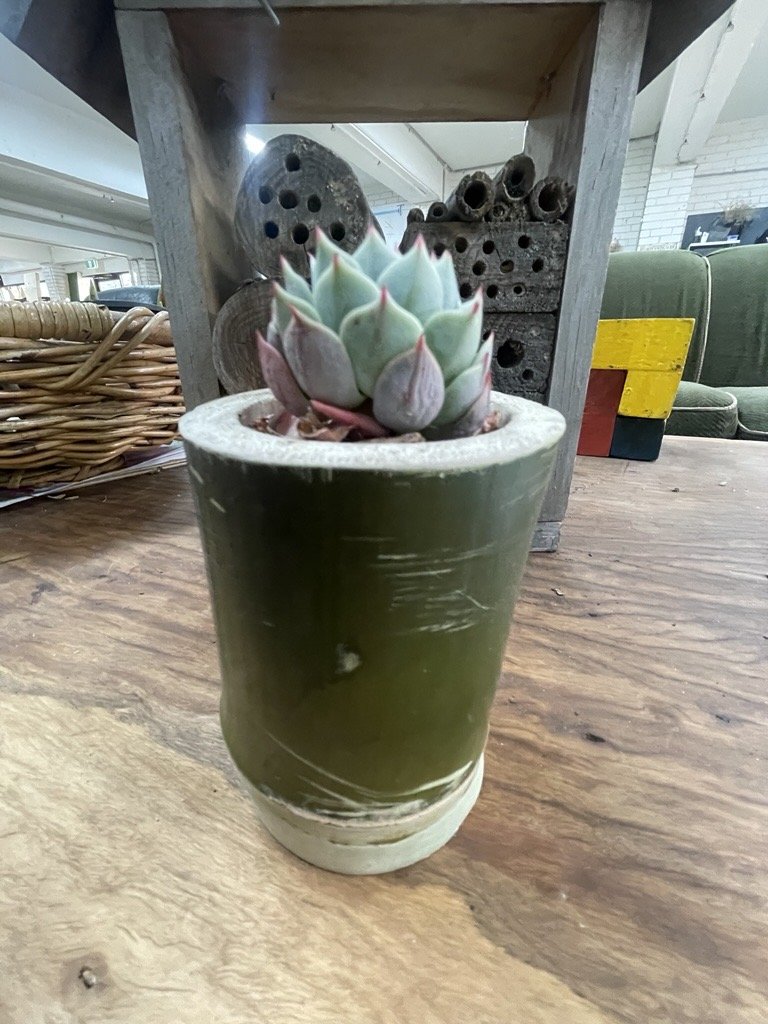
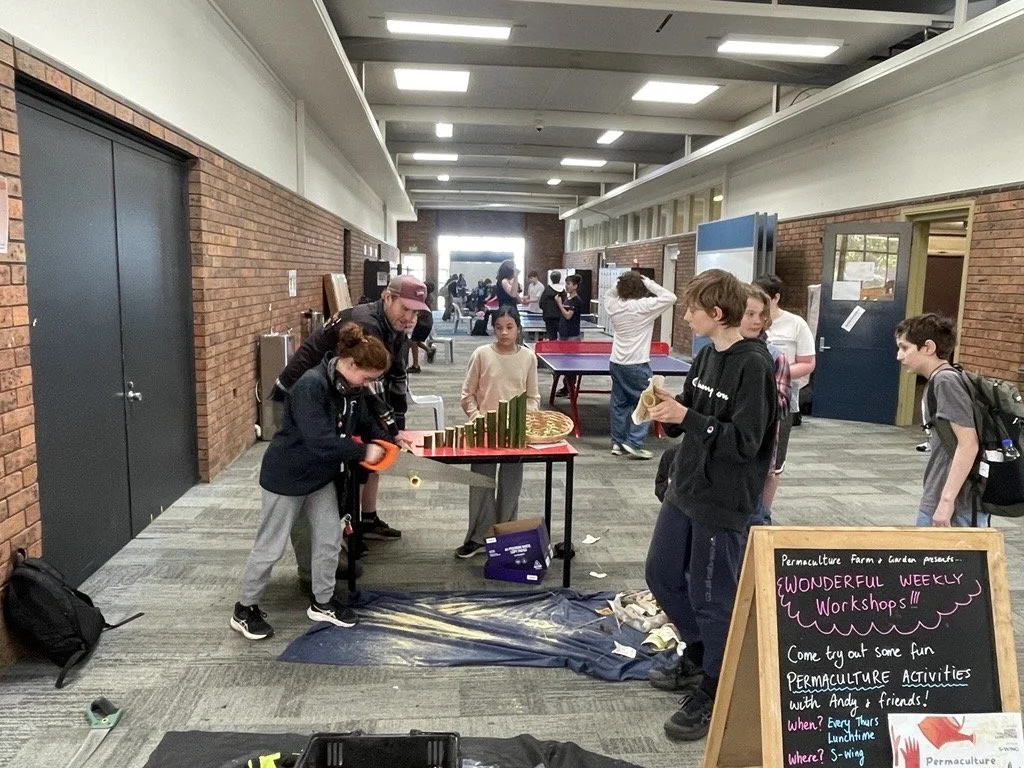
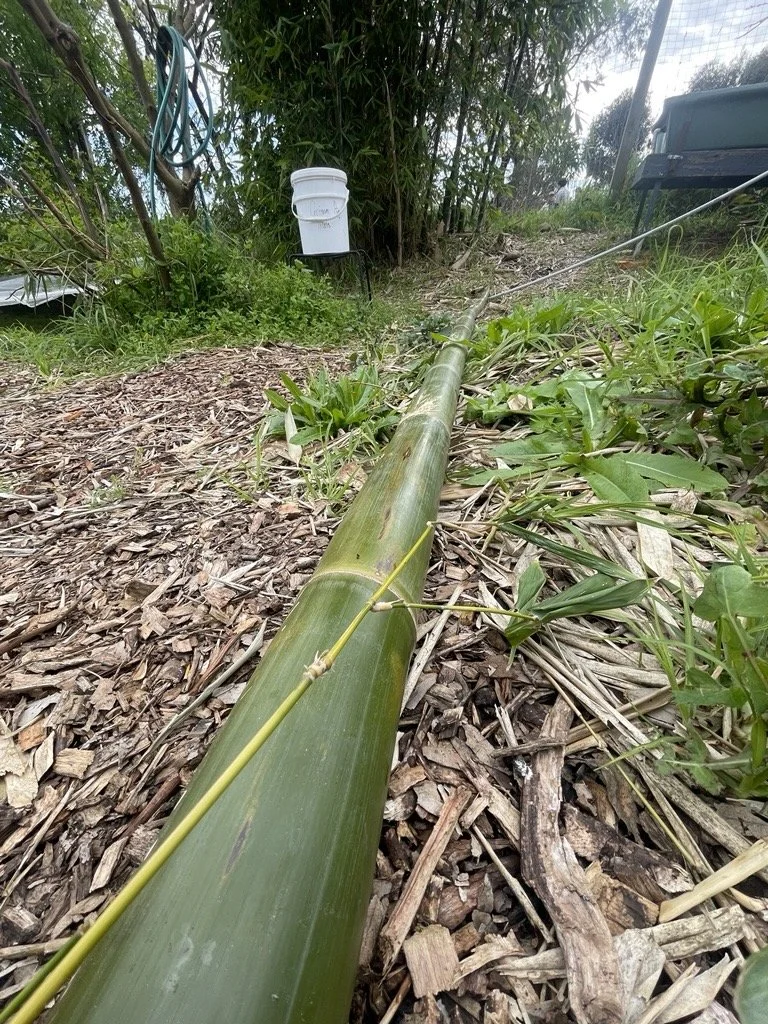
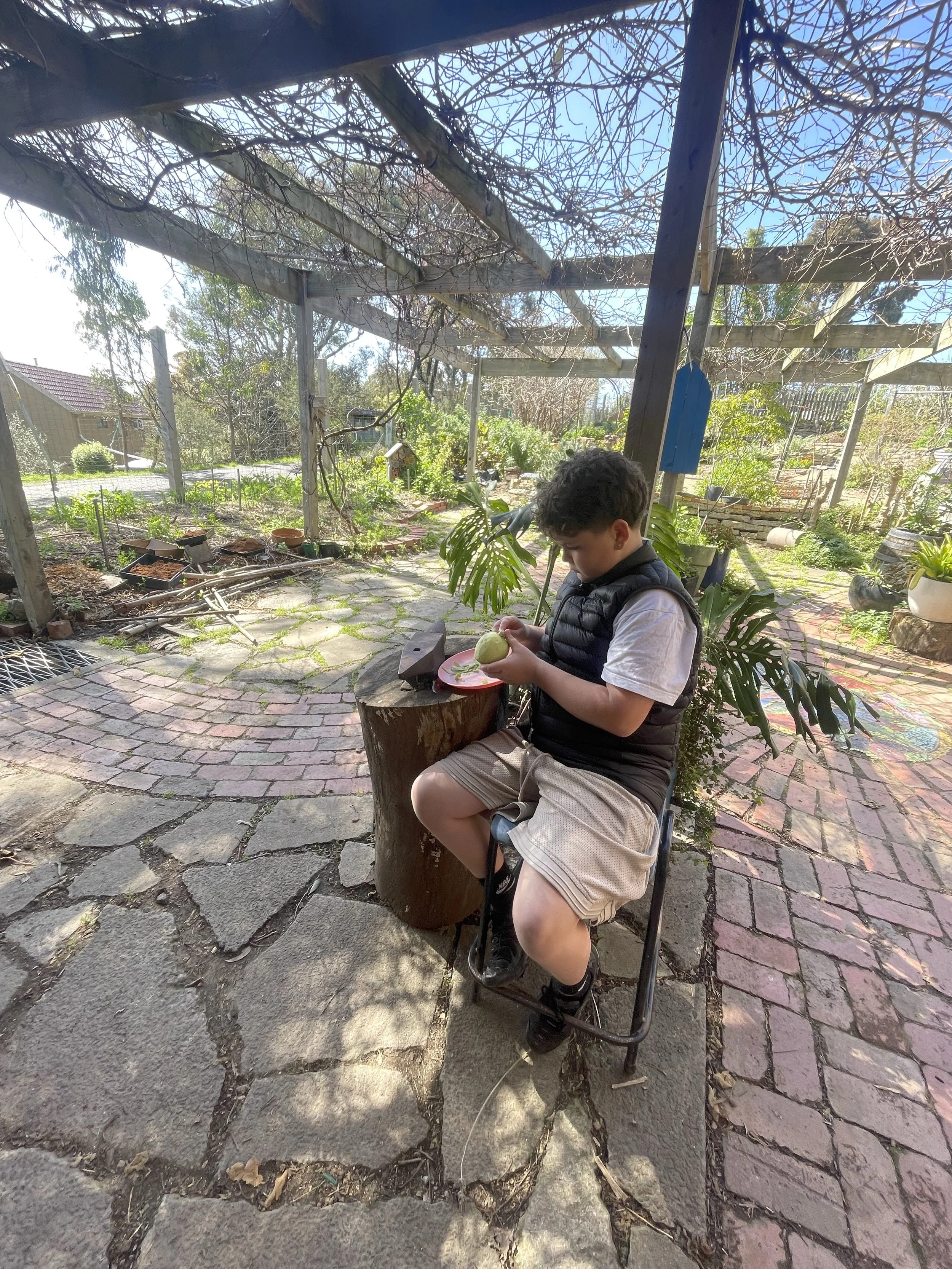
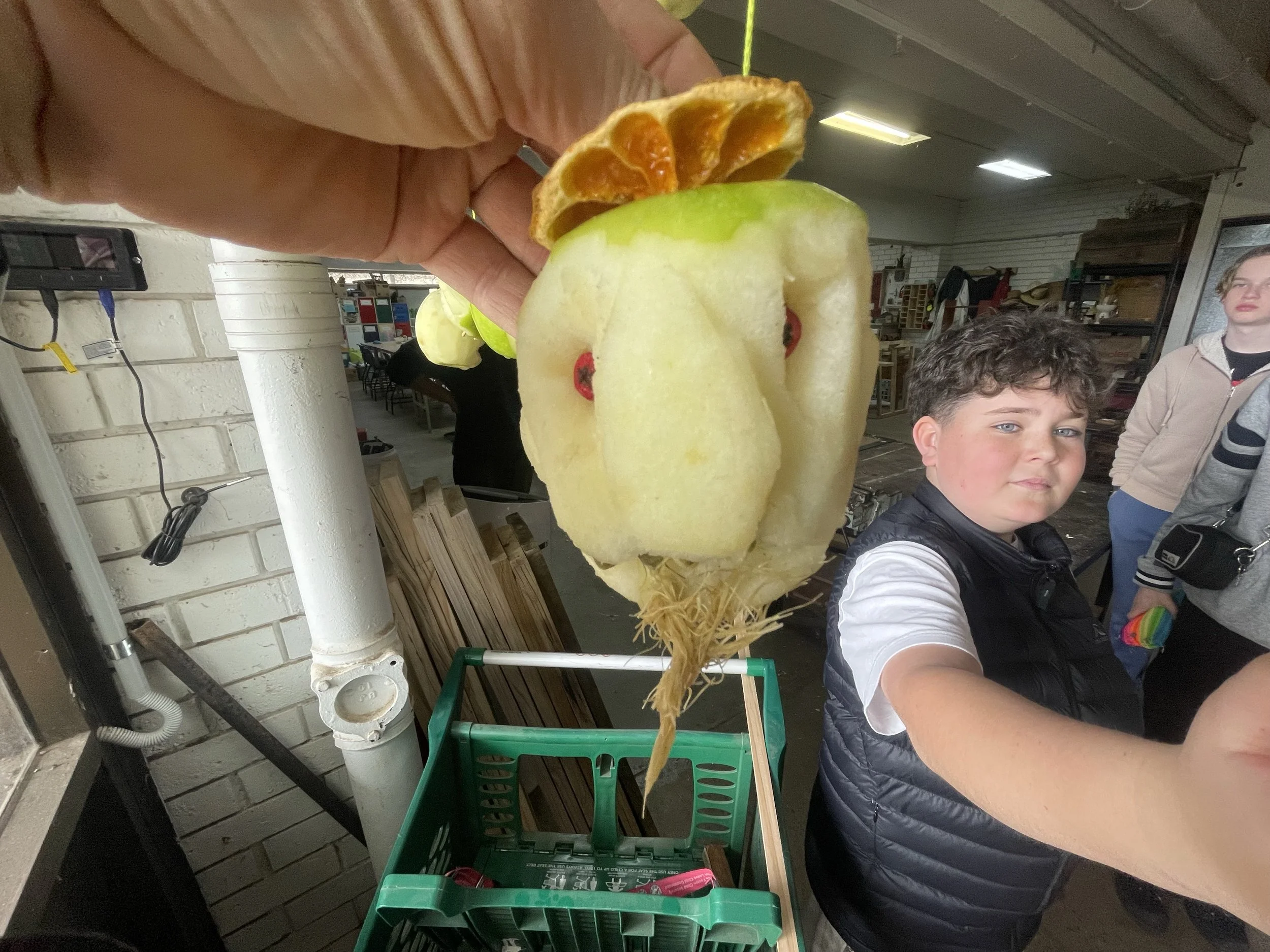
The range of projects has been wide and wonderful. Students are weaving baskets, harvesting bamboo to make succulent pots for market, and turning fruit into jams, preserves and fruit leather. Others have been pressing flowers and four-leaf clovers found in the garden and are now building their own flower presses in the woodworking area. A masterclass from Lee, our Design Tech teacher, showed students how to carve spoons from apple and olive prunings — and now many are crafting their own spoons, ladles and bowls using age-old techniques.
Elsewhere in the garden: students are building new handles for old tools, weaving bamboo garden edging, natural dyeing, creating prayer gardens for their own backyards, hatching and raising chickens, carving bamboo, pruning fruit trees, and building wellbeing spaces — including sanding and building a park bench from scratch. Some have been lifting and dividing dahlia bulbs for “guerrilla planting” around the school, so summer will bring bursts of colour in unexpected spots. Others are cultivating bush tucker gardens, baking with mandarins and garden produce, making flower bouquets and found-object artwork, or running tea-tasting events exploring how herbal plants support gut health and wellbeing.
So many projects, so much going on — all underpinned by a strong sense of care for each other, for our community, and for the natural world.
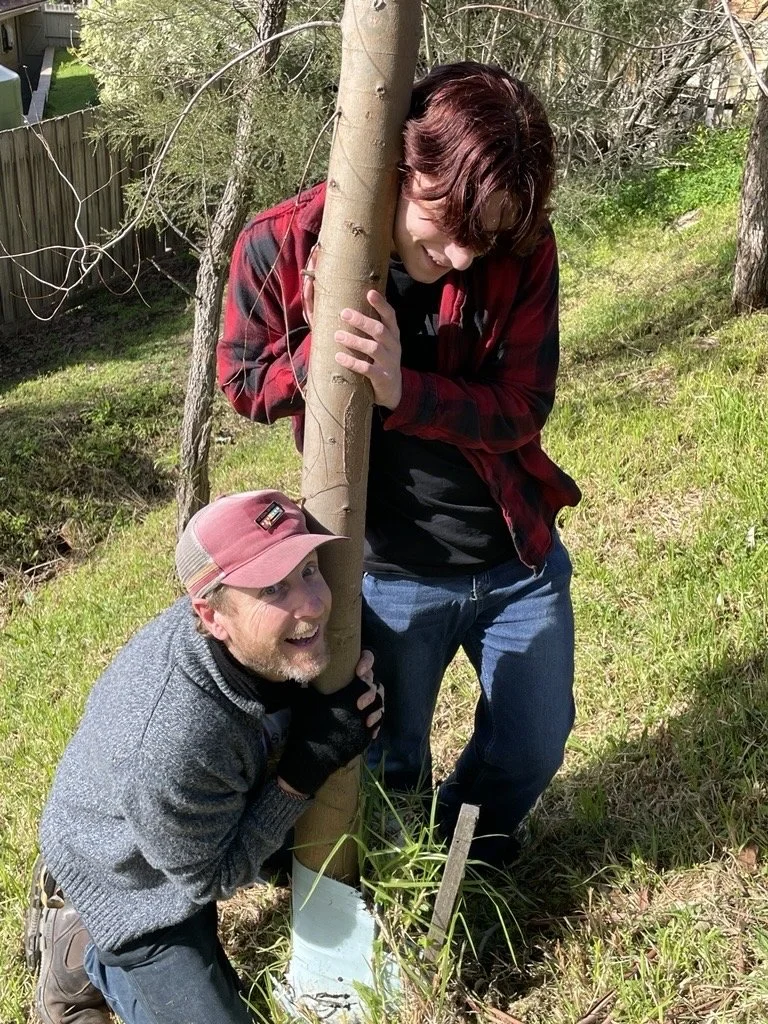
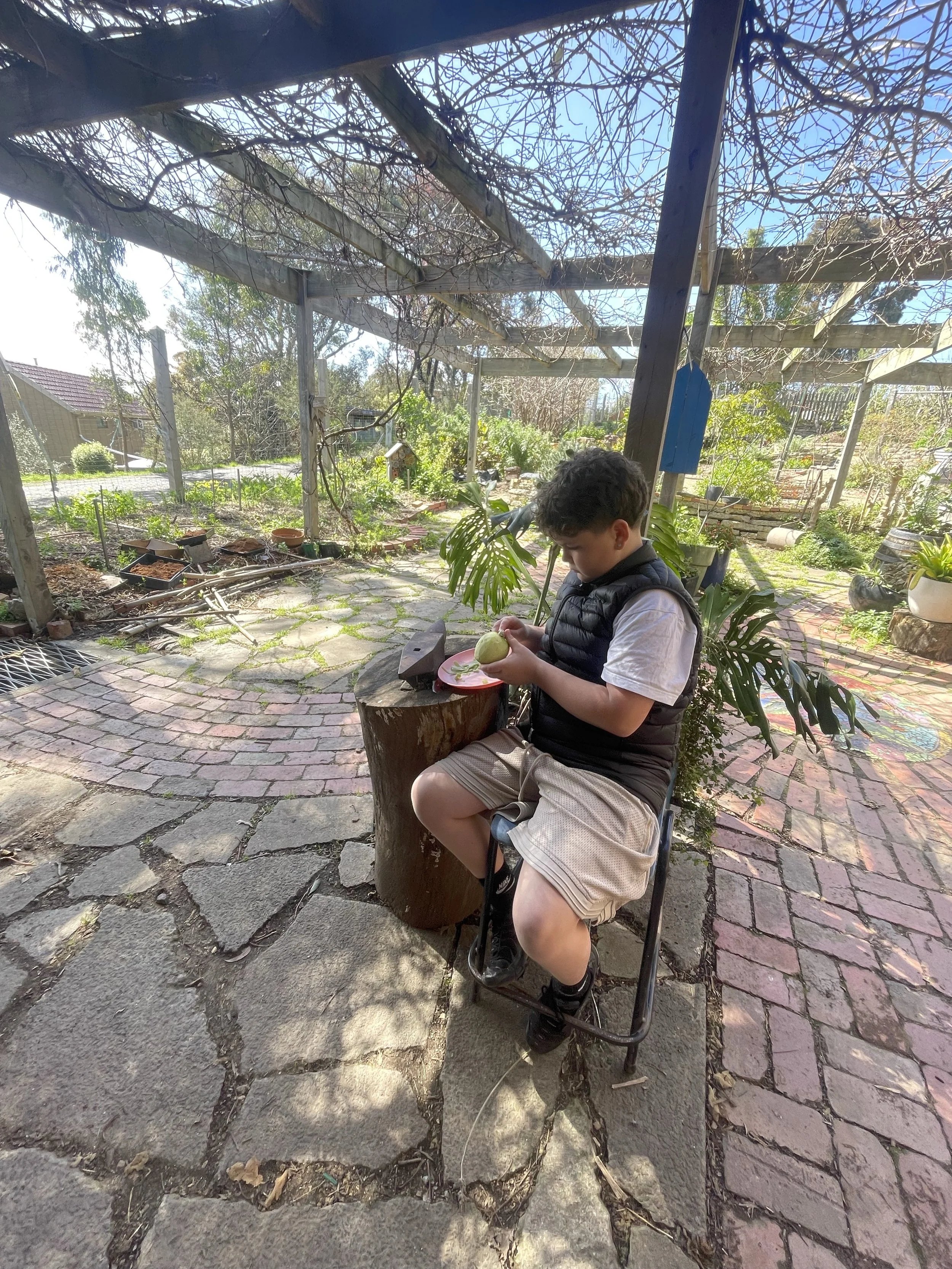
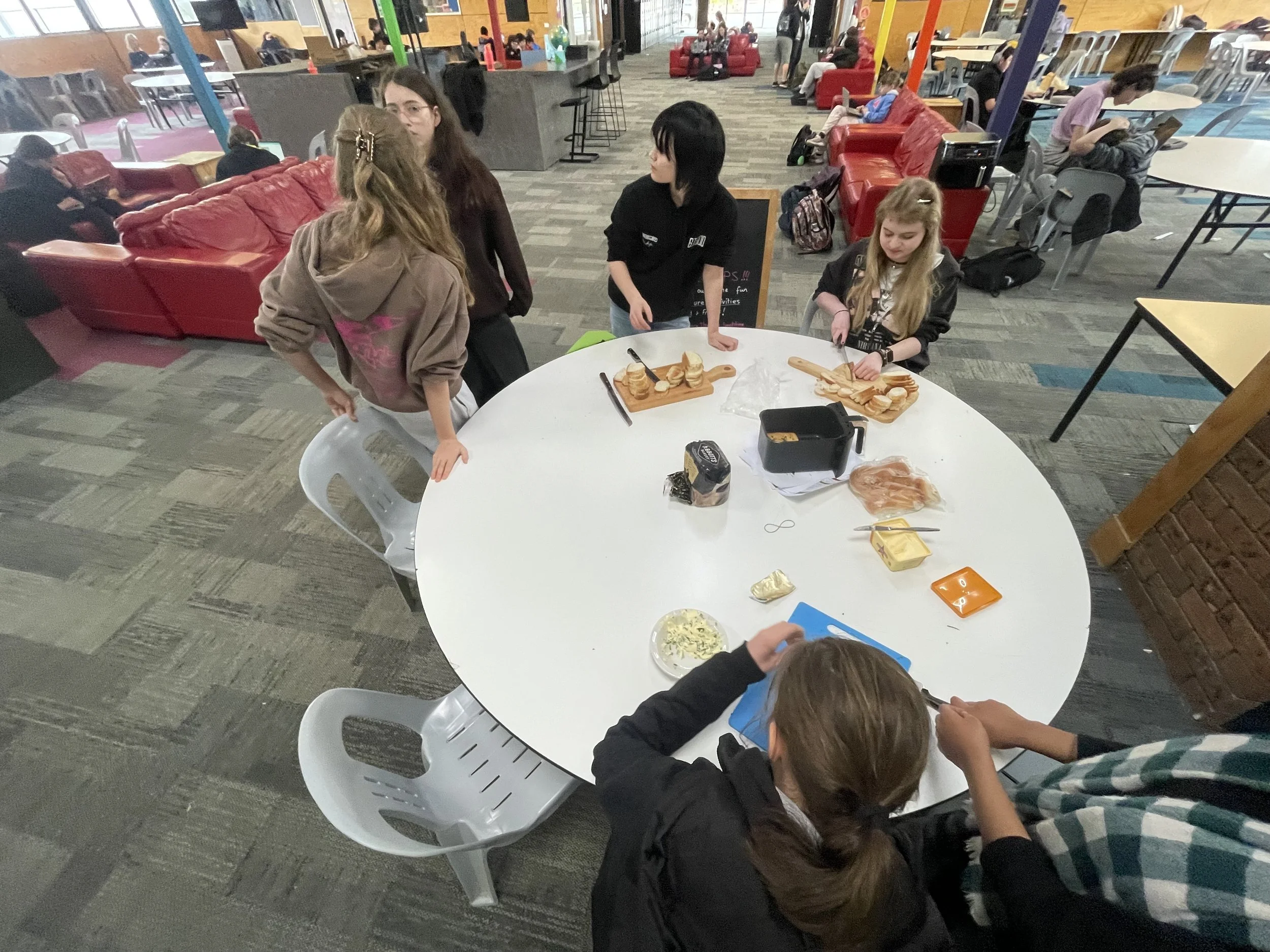
And if you throw in the group experiences we had including making spanakopita, wood fired pizzas, scones, garlic bread, making jams, sugar cane slurping, mint and lemon cordial... the list goes on!
Thank you to all the parents who’ve shared your knowledge and skills with us this term. We’re proud to be equipping these students with skills that won’t just serve them in life, but that they’ll carry forward to the generations who follow.
Animals Trivia Night
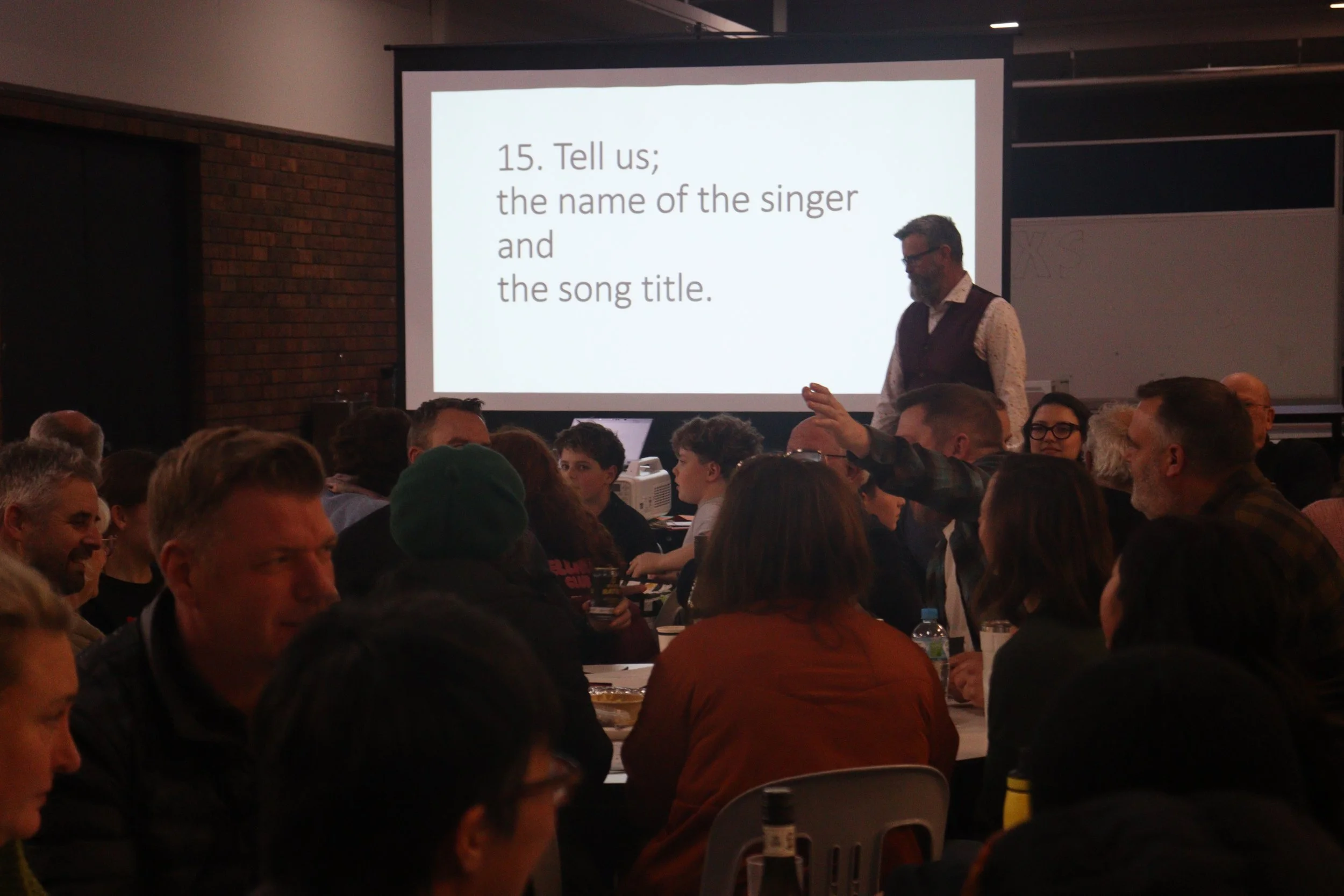
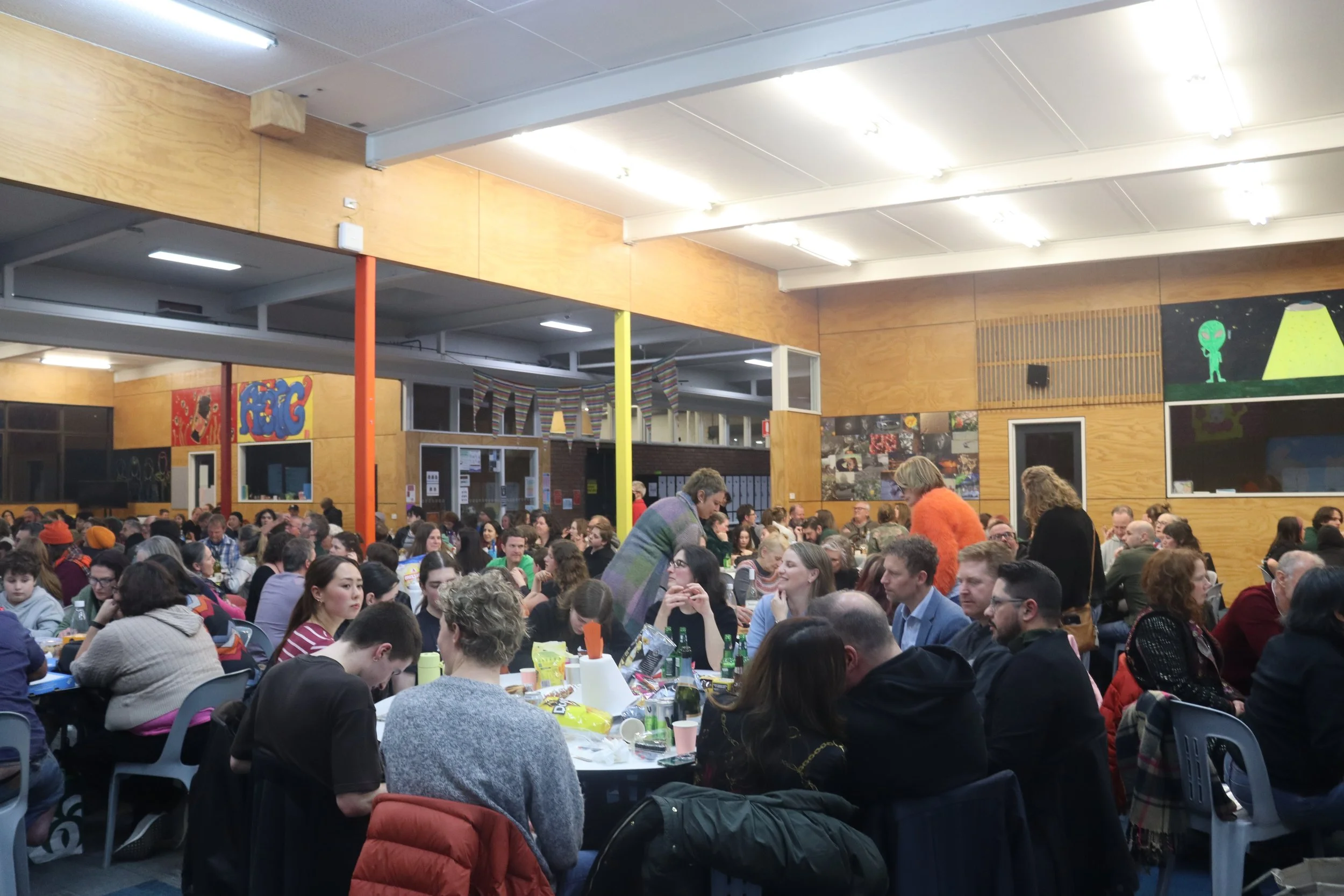
Animals Trivia Night was a huge success this year, with 34 tables of TC families filling S-Wing for an evening of trivia, fun and fundraising.
Competition was fierce, with many teams scoring 100% across several of the question sections. Alongside the trivia, guests could bid in the Silent Auction, which featured a range of great items including a beautiful hardwood table that went for a bargain price at the end of the night. The ever-popular ‘throw a gold coin at a bottle of wine’ competition also made a return.
After a closely fought night, it was the teachers’ table that came out victorious!
A huge thank you to the 23 TC students and staff who put in the hours to set up and run this enormous event, as well as everyone else who helped make the night happen. A special shout out to Duncan for the countless hours he put in to get the event running. Thank you also to all the families who came along and supported the Animals Program.
Funds raised from the night go directly towards the Animals Program, helping us provide excellent care, facilities and enrichment for our animals.
If you’d like to book one or more tables of 10 for next year’s Trivia Night, email Duncan at dsa@tc.vic.edu.au.